
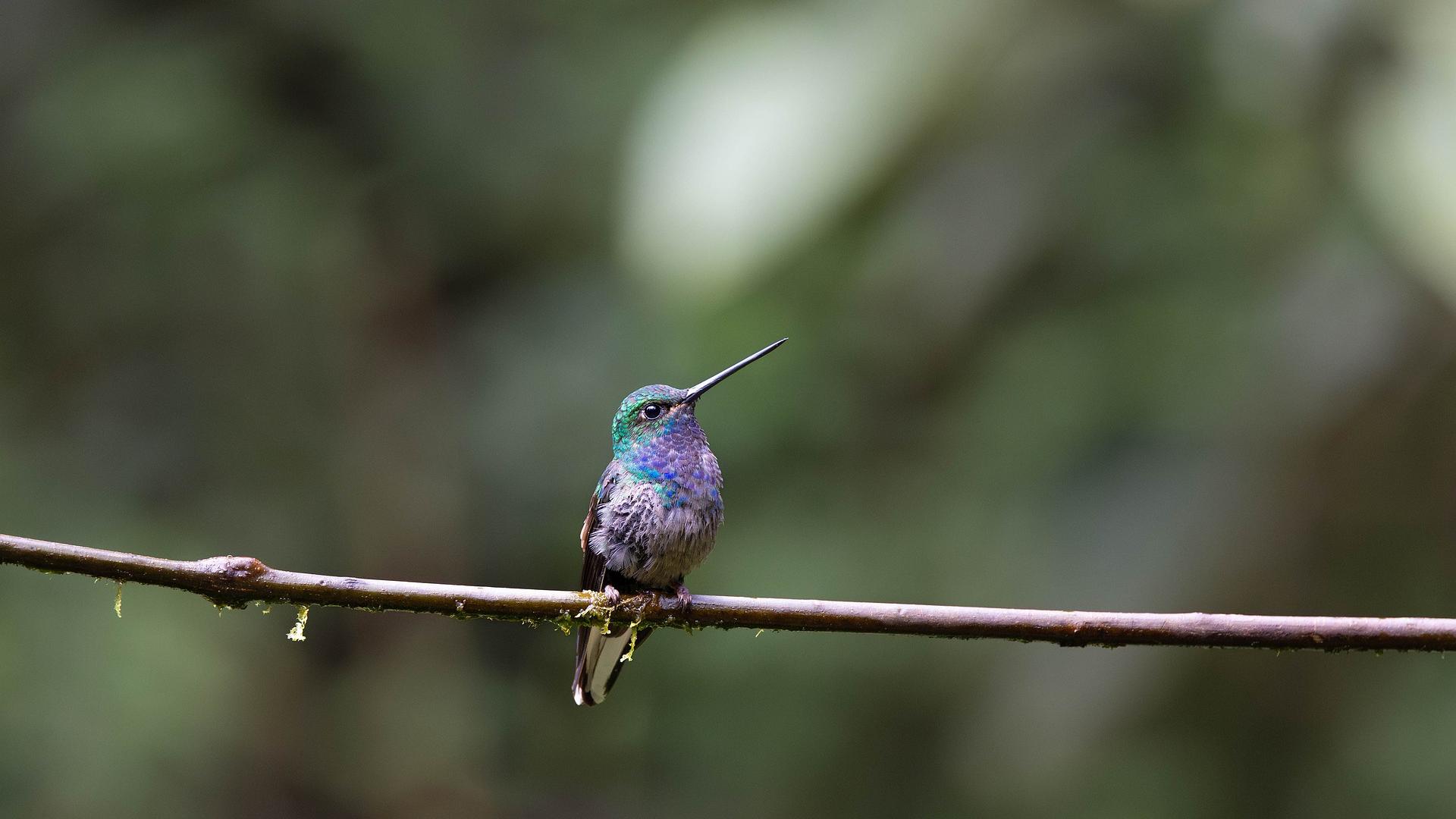

If you have ever dreamt of seeing a flashing torrent duck dive into a crystal-clear river, or witnessing the impossible iridescence of a hummingbird hovering just inches from your nose, then birdwatching Ecuador is not just a hobby—it’s a pilgrimage. Despite being roughly the size of the United Kingdom, this small South American nation crams more avian diversity into its borders than almost any other country on Earth. With over 1,600 recorded species—including more than 140 endemic birds—Ecuador is the undisputed heavyweight champion of global birding.
The secret lies in geography. In a single day, you can travel from the snow-capped peaks of the Andes, down cloud-forest slopes dripping with moss, and into the steamy lowlands of the Amazon basin. Add the Pacific coast and the legendary Galapagos Archipelago into the mix, and you have a birding paradise that is virtually unmatched. For those seeking Ecuador birding tours, the challenge is not if you will see rare species, but how many you can cram into your itinerary.
To help you navigate this avian wonderland, we have curated a list of the ten must-visit spots for avid twitchers. Whether you are chasing a specific endemic or simply want to tick off hundreds of lifers, these locations deliver.
1. The Legendary Mindo Cloud Forest
Just a two-hour drive northwest of Quito, the Mindo Valley is often the first stop for any birder. This is the epicenter of best birding spots Ecuador has to offer for sheer accessibility and variety. Perched at roughly 1,250 meters, the cloud forest here is a world of perpetual mist, bromeliads, and tangled vines.
Why Birders Love Mindo
- The Andean Cock-of-the-Rock: The undisputed star. Visit the lek (a communal mating ground) just before dawn to watch these fiery orange birds perform their bizarre, acrobatic courtship dances.
- Hummingbird Galore: Feeders at local lodges like Sachatamia or Septimo Paraiso attract dozens of species, including the booted racket-tail and the violet-tailed sylph. You will get dizzy trying to keep up with the action.
- Antpittas: Mindo is one of the few places where habituated chestnut-crowned antpittas will come out of the forest for worms, offering incredible photographic opportunities.
Pro Tip: Hire a local guide for the day. They know the exact trails for the rare plate-billed mountain-toucan and the elusive golden-headed quetzal.
2. The High-Altitude Grasslands of Antisana National Park
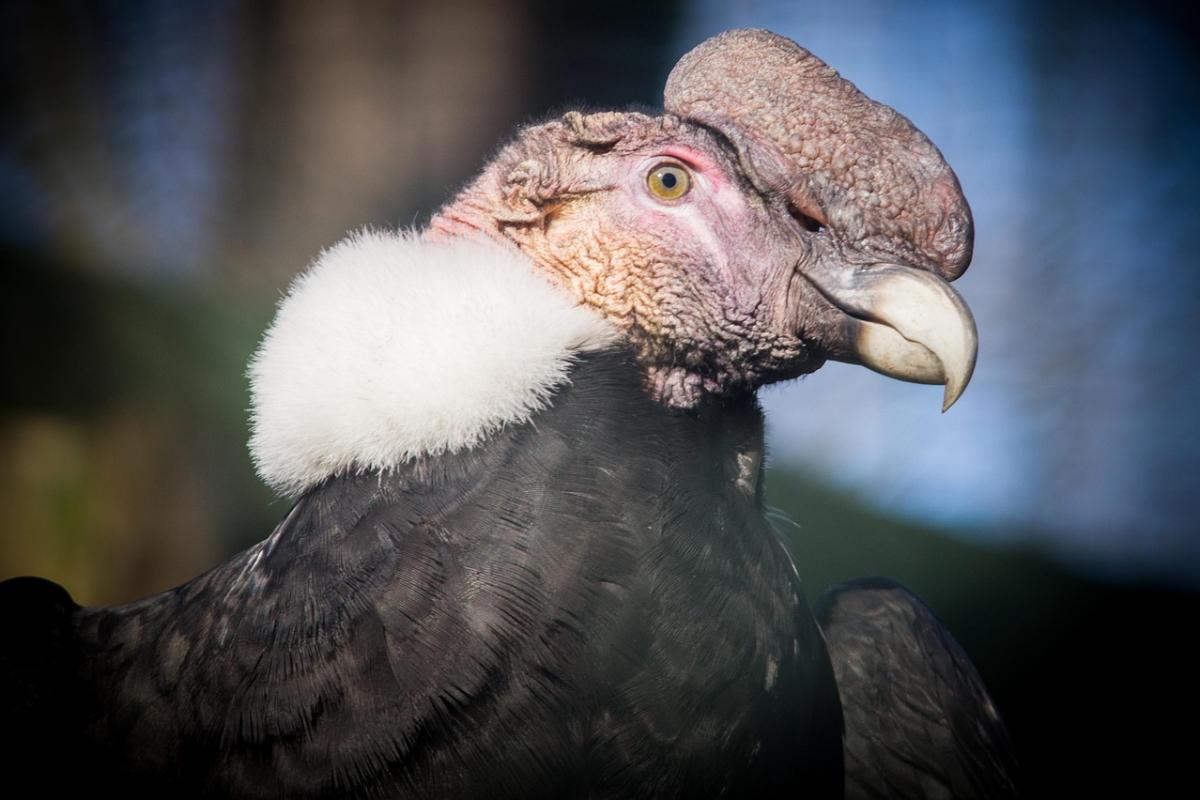
Leave the forest behind and ascend to the stark, windswept paramo (high-altitude grassland) of Antisana. At over 3,800 meters, the air is thin, but the views are spectacular, dominated by the snow-capped Antisana volcano. This is the most reliable place in the world to see the majestic Andean condor.
The Condor’s Kingdom
With a wingspan of over 3 meters, these vultures are a sight to behold as they ride thermal updrafts. Beyond the condors, you can scan the wetlands for Andean gulls, stout-billed cinclodes, and the endemic Antisana seedeater. The silence of this lunar landscape is broken only by the wind and the occasional call of a carunculated caracara.
Pro Tip: This site is high. Acclimatize in Quito for a couple of days first. Bring warm layers, sunscreen, and a spotting scope for distant condor roosts.
3. The Biological Hotspot of Yanacocha Reserve
Managed by the Jocotoco Foundation, the Yanacocha Reserve is a high-altitude forest reserve located on the slopes of the Pichincha volcano. It is often included in Ecuador birding tours as a “must-do” for endemic hunters.
The Black-Breasted Puffleg
This is the holy grail of hummingbird watching. The critically endangered black-breasted puffleg is found almost exclusively in this small patch of forest. Dedicated trails and strategic feeders increase your chances of seeing this rare jewel. You will also likely encounter the striking spectacled bear (if you are lucky) and a host of other highland specialties like the glossy flowerpiercer and black-backed bush tanager.
Pro Tip: The trail can be muddy and steep. Wear sturdy hiking boots. The feeders near the entrance are often the best bet for the puffleg early in the morning.
4. The Amazon Lowlands: Sani Lodge or Napo Wildlife Center
To truly understand the biodiversity of birdwatching Ecuador, you must venture into the western Amazon basin. While Yasuni National Park is the crown jewel, access is limited. Instead, opt for a community-owned lodge like Sani Lodge or the Napo Wildlife Center, both located in the heart of the rainforest.
Canopy Towers and Clay Licks
- Parrot Clay Licks: Wake up at dawn and float silently down the river to witness hundreds of mealy parrots, blue-headed parrots, and scarlet macaws descending on an exposed clay bank. The cacophony is deafening; the sight, unforgettable.
- Canopy Tower: Climb 36 meters up a tower to see the forest roof. Here, you can spot white-throated toucans, blue-and-yellow macaws, and potentially the massive harpy eagle—the apex predator of the Amazon sky.
Pro Tip: The best birding here is during the dry season (June to September). Listen for the distinctive call of the screaming piha—it is everywhere but hard to see!
5. The Tumbesian Dry Forests of Jorupe Reserve
Most birders focus on the Andes and Amazon, but the arid Tumbesian region in the southwest is a hidden gem for endemics. The Jorupe Reserve, near the town of Macará, is a dry forest haven that hosts a suite of species found nowhere else on Earth.
The Enigmatic Endemics
This is your best chance to see the Ecuadorian ground-dove (a rare and tiny dove that runs like a rodent) and the magnificent watkins’ antpitta. The reserve is also famous for its pale-browed tinamou, which is often heard but rarely seen. At night, listen for the eerie call of the Choco poorwill.
Pro Tip: Birding here is best during the dry season (May to December). The trails are open and easy to walk, making it a pleasant break from the muddy cloud forests.
6. The Chocó Rainforest: Playa de Oro or Milpe
The Chocó bioregion, located on the western slopes of the Andes, is one of the rainiest and most biodiverse places on the planet. It is a birder’s paradise, but it requires a bit of effort to reach.
A Symphony of Color
Reserves like Milpe Bird Sanctuary and the remote community of Playa de Oro offer access to this lush forest. Here, you can search for the dazzling club-winged manakin, which produces a violin-like sound with its wings, and the iconic Chocó toucan. The region is also home to the secretive Chocó vireo and several species of antbirds.
Pro Tip: Bring a rain cover for your camera. It rains here—a lot. But the bird activity in the “green season” is actually higher, as many species breed during the wet months.
7. The Pacific Coast: Reserva Ecologica Arenillas
For a completely different habitat, head to the far southwest corner of Ecuador near the Peruvian border. The Reserva Ecologica Arenillas is a dry, thorny scrub forest that is often overlooked by tourists but is a critical site for best birding spots Ecuador lists focused on Tumbesian endemics.
The Super-Specialized Endemics
This is the only reliable place to see the white-headed marsh tyrant and the rare Pacific royal flycatcher. The reserve is also a stronghold for the grey-backed hawk and the necklaced spinetail. Birding here is challenging due to the dense, thorny vegetation, but the rewards are immense for those seeking rare ticks.
Pro Tip: Bring a portable playback device (used sparingly and ethically) to lure out skulking species from the thickets.
8. The Galapagos Islands: A Different Kind of Birding
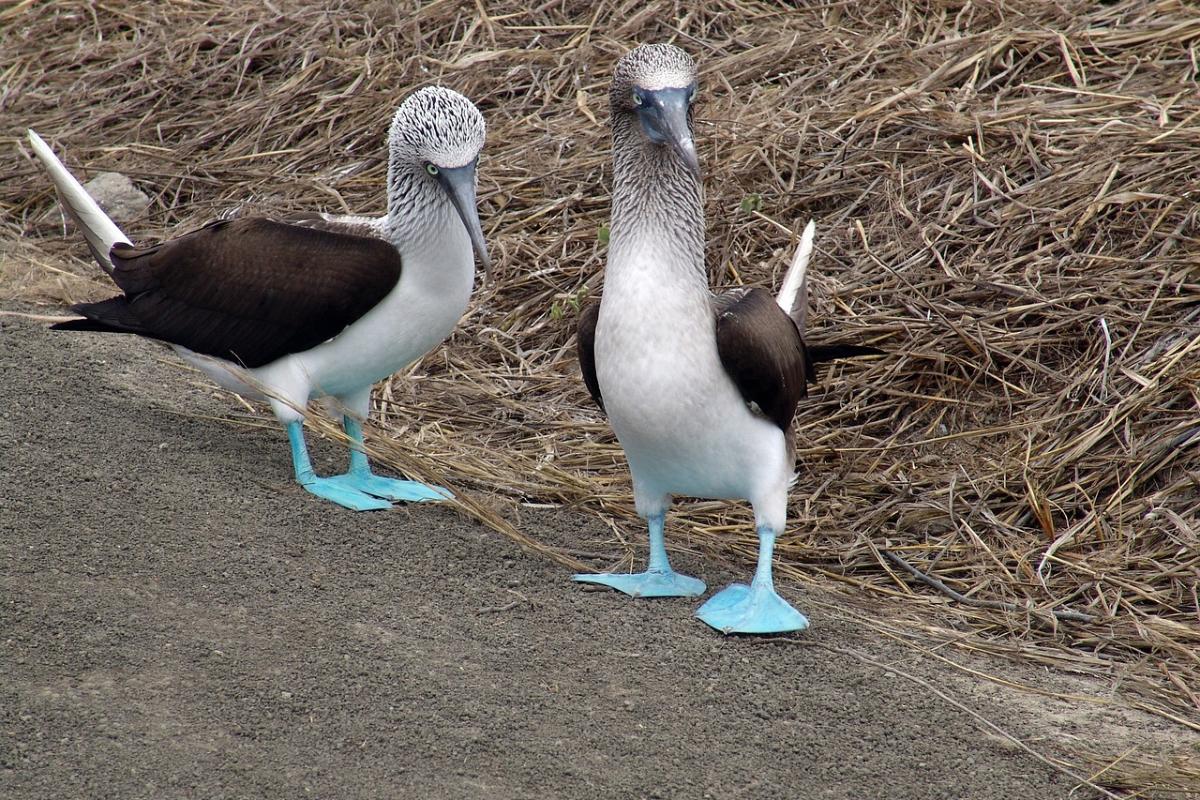
No article on birdwatching Ecuador would be complete without the Galapagos. While it is not about quantity, it is about uniqueness. This is the only place where you can walk among wildlife that has no fear of humans.
The Iconic Species
- Darwin’s Finches: Observe the subtle differences in beak size among the 13 species of finches—a living testament to evolution.
- Blue-Footed Boobies: Watch their comical mating dance on Española Island.
- Waved Albatross: Visit between April and December to see these massive birds with a 2.5-meter wingspan perform their spectacular courtship rituals on Española.
- Flightless Cormorant: See the only cormorant in the world that has lost the ability to fly.
Pro Tip: You must book a Galapagos cruise or a land-based tour with a certified naturalist guide. You cannot explore the national park independently. For photographers, a zoom lens (100-400mm) is essential.
9. The Podocarpus National Park & Tapichalaca Reserve
Located in the southern Andes near the city of Loja, this region is a biological crossroads. The Tapichalaca Reserve is famous for one bird above all others: the Jocotoco antpitta.
The Jocotoco Antpitta
Discovered only in 1997, this large, striking antpitta is now the flagship species for conservation in southern Ecuador. The reserve protects its known habitat, and with patient guides, you have a high chance of seeing this ground-dwelling bird as it hops out onto the mossy trail. The park itself (Podocarpus) offers high-altitude birding for mountain tapirs (unlikely) and a variety of tanagers and hummingbirds.
Pro Tip: The trails in Tapichalaca are steep. Allow a full morning for the antpitta stakeout, and stay at the reserve’s comfortable, simple lodge.
10. The Abra de Zamora & Cajanuma Sector
Just north of Tapichalaca, the Abra de Zamora pass is a famous “migration corridor” for hummingbirds. This is one of the most reliable spots in the world to see the spectacular sword-billed hummingbird, whose bill is longer than its body.
The Hummingbird Highway
At the pass, there is a small feeding station where dozens of species, including the rainbow-bearded thornbill and the chestnut-breasted coronet, fight for space. It is a photographer’s dream due to the low light and close proximity of the birds. This area is often a key stop on Ecuador birding tours heading south.
Pro Tip: Go early (before 8 AM) to avoid the crowds and catch the first wave of feeding activity. Use a fast shutter speed (1/1000 or higher) to freeze the hummingbird wings.
Practical Tips for Your Ecuador Birding Adventure
To make the most of your birdwatching Ecuador trip, keep these professional tips in mind:
- Hire Local Guides: The difference between seeing 100 birds and 300 birds is a great guide. They can identify calls, spot camouflaged species, and know the exact territories.
- Pack for All Seasons: You will experience sun, rain, wind, and cold in a single week. Layering is your best friend. A gore-tex jacket is non-negotiable.
- Optics Matter: A good pair of 8×42 binoculars is essential. For photography, bring a lens with a minimum focal length of 400mm.
- Stay at Birding Lodges: Lodges like San Isidro, Wild Sumaco, and Cabanas San Isidro are built for birders. They have private trails, expert staff, and feeding stations right outside your door.
- Acclimatize: Do not fly into Quito and immediately hike at 4,000 meters. Spend a night at lower altitude to adjust to the altitude to avoid headaches and fatigue.
Your Ecuadorian Avian Odyssey Awaits
From the misty cloud forests of Mindo to the sun-baked Galapagos shores, best birding spots Ecuador offers an unparalleled diversity that will leave even the most seasoned twitcher breathless. Whether you are adding your 500th lifer or starting your list from scratch, the “Land of the Hummingbird” promises encounters that are as thrilling as they are humbling.
The birds are waiting, the trails are calling, and the biodiversity of this small, mighty nation is ready to blow your mind. Don’t just read about it—experience it. Contact us today to design a custom Ecuador birding tours itinerary tailored to your target species, your pace, and your budget. Let’s turn your birding dreams into reality.