
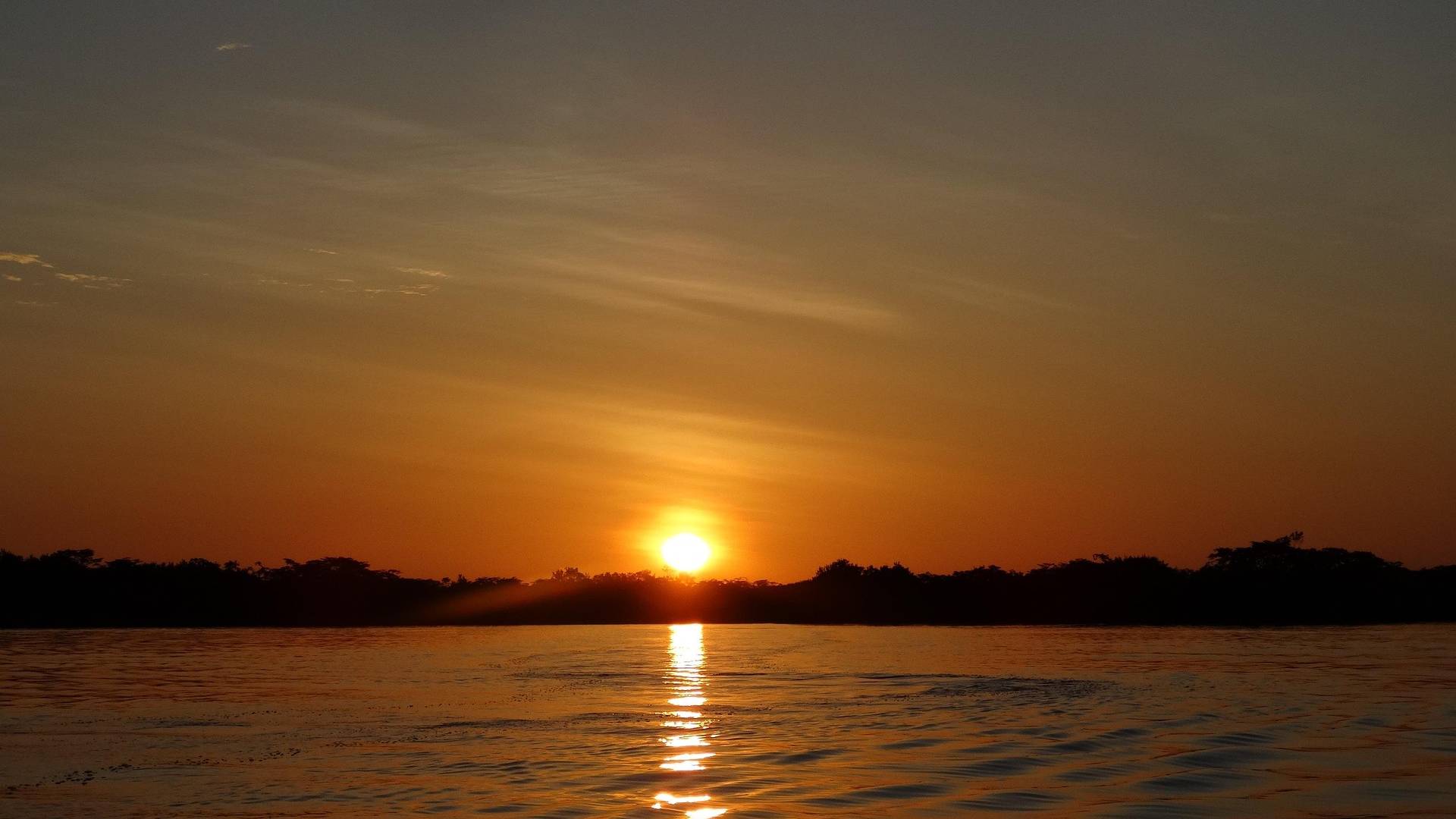

Nestled in the heart of the Ecuadorian Amazon, the Cuyabeno Wildlife Reserve stands as one of South America’s most biodiverse protected areas. Spanning over 603,000 hectares of pristine rainforest, this remarkable reserve is home to an astounding array of wildlife that makes it a premier destination for nature enthusiasts and wildlife photographers alike. The reserve’s unique flooded forests, known as várzea, create a distinctive ecosystem where aquatic and terrestrial wildlife thrive in harmony. From the haunting calls of howler monkeys echoing through the canopy to the silent glide of pink river dolphins through blackwater lagoons, Cuyabeno offers an unparalleled opportunity to witness the Amazon’s natural wonders up close. Whether you’re a seasoned wildlife spotter or embarking on your first jungle adventure, understanding how to maximize your experience in this ecological paradise will transform your visit into an unforgettable journey.
Best Times for Wildlife Spotting
Timing is everything when it comes to wildlife observation in Cuyabeno, and understanding the reserve’s seasonal patterns can dramatically enhance your chances of remarkable encounters. The Amazon operates on two primary seasons: the wet season (April to July) and the dry season (August to March), each offering distinct advantages for wildlife enthusiasts.
During the wet season, rising water levels create expanded habitats, making canoe exploration more accessible as you can navigate deeper into the flooded forests. This period is exceptional for spotting aquatic species, including the elusive pink river dolphins, caimans, and various fish species. The lush vegetation attracts numerous bird species, making it a paradise for birdwatchers seeking vibrant macaws, toucans, and hoatzins.
The dry season, conversely, concentrates wildlife around remaining water sources, increasing your likelihood of spotting mammals along riverbanks and trails. Animals like capybaras, tapirs, and various monkey species become more visible as they venture out to drink and forage.
Regardless of the season, the golden hours of dawn (5:30-7:30 AM) and dusk (5:00-7:00 PM) offer the most productive wildlife viewing opportunities. During these cooler periods, animals are most active, feeding and moving through their territories. Midday heat typically drives wildlife into the shade, making afternoon excursions better suited for botanical exploration or rest. Night tours reveal an entirely different world, with caimans, nocturnal birds, and fascinating insects becoming the stars of the show.
Unique Species to Look For
Cuyabeno’s incredible biodiversity means that every excursion holds the potential for extraordinary encounters. Understanding which species inhabit the reserve helps you appreciate the significance of each sighting.
Mammals: The reserve boasts ten primate species, including the charismatic pink river dolphins that navigate the lagoons with remarkable grace. Keep your eyes on the canopy for troops of squirrel monkeys, capuchin monkeys, and the impressive howler monkeys whose territorial calls can be heard from kilometers away. The elusive jaguar, though rarely seen, leaves tracks along muddy riverbanks, while giant river otters, one of the Amazon’s most endangered species, can occasionally be spotted hunting in family groups. Sloths hang motionless in the trees, their slow movements making them challenging to detect without an experienced guide’s keen eye. Brazilian tapirs and capybaras frequent riverside areas, especially during early morning hours.
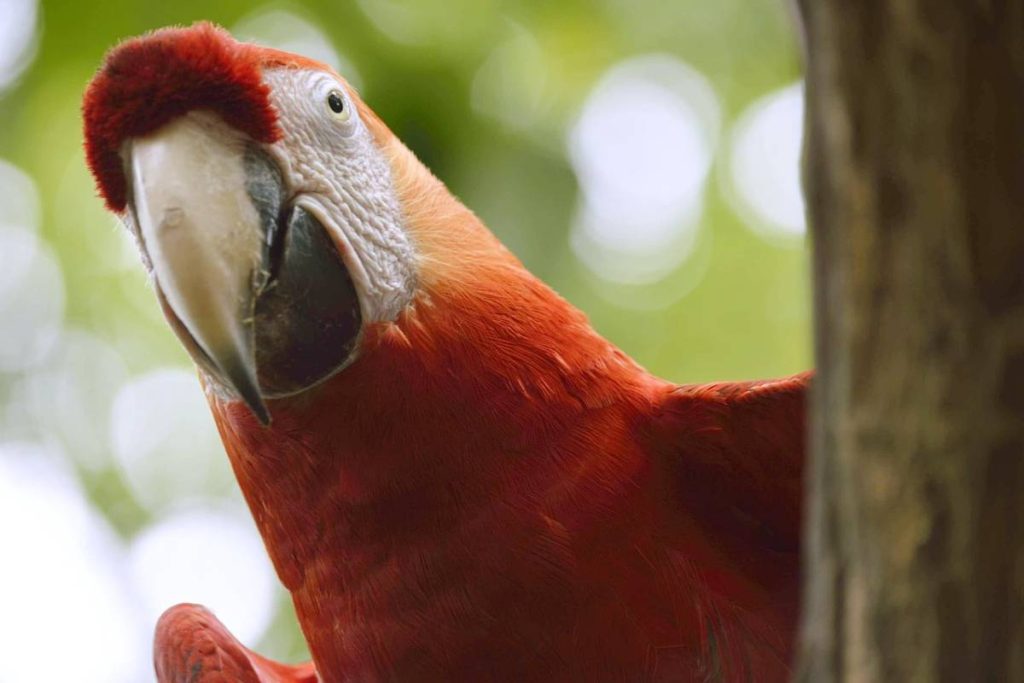
Birds: With over 580 recorded bird species, Cuyabeno is an ornithologist’s dream. The vibrant scarlet macaws and blue-and-yellow macaws create spectacular shows as they fly overhead in pairs or small groups. The prehistoric-looking hoatzin, known as the “stink bird,” perches along waterways and represents one of the Amazon’s most unusual avian residents. Toucans of various species flash their colorful beaks through the canopy, while harpy eagles, the apex aerial predators, nest in the tallest emergent trees. Kingfishers, herons, and numerous species of parrots add to the incredible avian diversity.
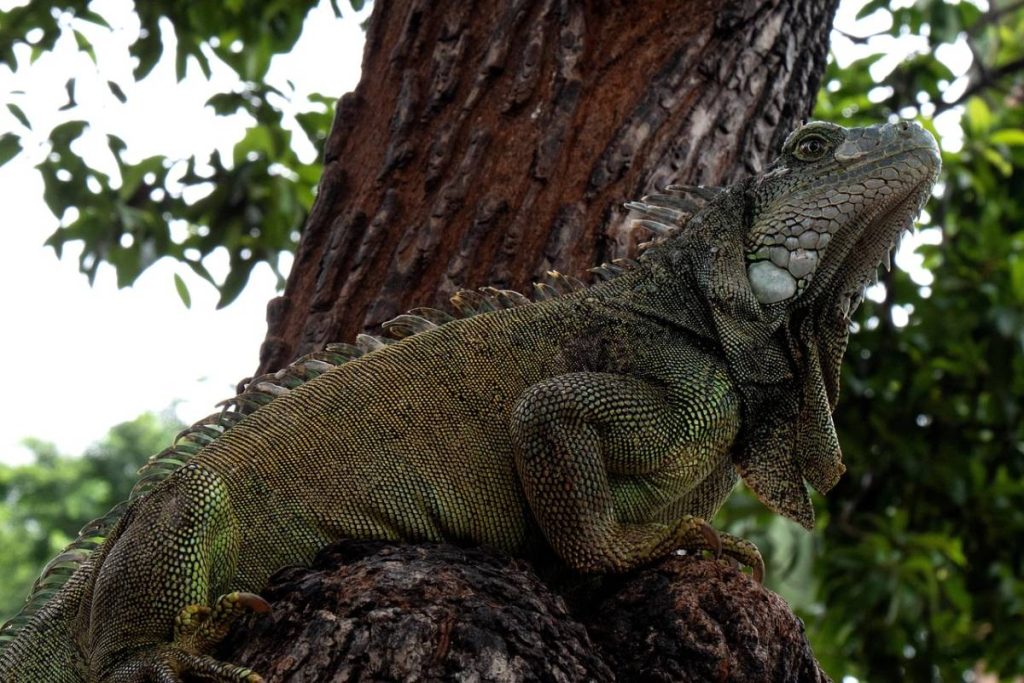
Reptiles and Amphibians: Both black and white caimans patrol the waterways, their eyes reflecting torchlight during night tours. Several anaconda species inhabit the reserve, though sightings require patience and luck. The vibrant poison dart frogs, despite their tiny size, create striking splashes of color on the forest floor, while numerous tree frog species serenade visitors throughout the night with their diverse chorus.
Aquatic Life: The rivers teem with fascinating species, including the prehistoric-looking arapaima, one of the world’s largest freshwater fish, and various piranha species. The electric eel and several catfish species demonstrate the aquatic ecosystem’s remarkable diversity.
How to Enhance Your Wildlife Experience
Successful wildlife spotting in Cuyabeno requires more than luck—preparation and the right approach significantly increase your chances of memorable encounters.
Essential Gear: Invest in quality binoculars (8×42 or 10×42 magnification) to observe distant canopy wildlife and birds. A camera with a telephoto lens (at least 200mm) captures those special moments, though remember that experience trumps photography—don’t spend your entire visit behind a viewfinder. Waterproof bags protect your electronics during sudden rain showers, which are common in the rainforest. Neutral-colored, lightweight, quick-dry clothing helps you blend into the environment while staying comfortable. A headlamp with red-light mode proves invaluable for night tours without disturbing nocturnal animals.
Working with Guides: Experienced local guides are invaluable assets, not luxury additions. Their trained eyes spot camouflaged wildlife invisible to most visitors, their knowledge interprets animal behavior and ecological relationships, and their understanding of indigenous tracking techniques reveals the forest’s hidden stories. Choose lodges that employ native guides whose intimate knowledge of the forest, passed down through generations, offers insights no field guide can match.
Spotting Techniques: Patience and silence are your greatest allies. Move slowly and deliberately, scanning different forest levels—the forest floor, understory, mid-canopy, and emergent layer each host distinct communities. Listen for alarm calls, rustling leaves, or distinctive animal sounds that reveal hidden wildlife. Early morning river trips often yield the best mammal sightings as animals come to drink. During midday heat, focus on shaded areas and water sources where wildlife seeks relief.
Recommended Eco-Lodges in Cuyabeno
Selecting the right accommodation significantly impacts your wildlife viewing success, as different lodges offer varying access to prime habitats and expertise levels.
Jamu Lodge stands out as a premier eco-tourism destination, strategically located deep within the reserve to maximize wildlife encounters while minimizing environmental impact. This community-run lodge employs local Siona guides whose ancestral knowledge of the forest ecosystem provides guests with authentic, deeply informed experiences. The lodge’s sustainable practices, including solar power, rainwater collection, and waste management systems, demonstrate their commitment to conservation. Comfortable accommodations with mosquito-netted beds, communal dining featuring local cuisine, and well-maintained canoes for exploring the lagoons create an ideal base for your wildlife adventure. Their multi-day packages include guided jungle walks, canoe excursions, and night tours that showcase the reserve’s biodiversity.
Cuyabeno Lodge offers another excellent option, featuring private bungalows with river views and an observation tower providing unique canopy perspectives. Their experienced guide team and extensive trail network access diverse habitats, from terra firme forest to seasonally flooded areas.
Nicky Lodge provides a more intimate experience with smaller group sizes, allowing for personalized attention and flexible itineraries. Their location near several productive lagoons increases dolphin and bird sighting opportunities.
When selecting a lodge, prioritize those demonstrating genuine commitment to sustainability, employing local communities, and maintaining small group sizes for minimal environmental impact and enhanced wildlife viewing. Read recent reviews focusing on guide quality and wildlife sighting success rather than luxury amenities—in Cuyabeno, the best accommodation is one that connects you most deeply with nature.
Activities and Tours in Cuyabeno
Beyond passive wildlife observation, Cuyabeno offers diverse activities that deepen your understanding and appreciation of this remarkable ecosystem.
Canoe Expeditions form the backbone of most Cuyabeno experiences, gliding silently through blackwater lagoons and narrow channels where wildlife congregates. Sunrise and sunset paddles offer optimal viewing conditions and stunning photography opportunities as mist rises from the water and light filters through the canopy.
Jungle Treks on established trails reveal the forest floor’s hidden world—medicinal plants, intricate insect societies, and the complex web of relationships sustaining rainforest life. Guides explain traditional plant uses, pointing out everything from natural insect repellents to potential life-saving medicines.
Night Tours transform the reserve into an entirely different realm. Caiman eyes reflect in your torchlight, nocturnal frogs emerge in kaleidoscopic variety, and if you’re fortunate, you might glimpse nocturnal mammals like kinkajous or night monkeys. The symphony of night sounds—insects, frogs, and distant mammals—creates an unforgettable acoustic experience.
Cultural Experiences with local Siona communities offer insights into sustainable rainforest living. Learn traditional fishing techniques, participate in cassava bread making, or hear stories about the spiritual significance of forest animals in indigenous cosmology.
Fishing Excursions for piranhas provide exciting hands-on experiences, though sustainable lodges practice catch-and-release to protect fish populations. Swimming in safe lagoon areas offers refreshing relief from tropical heat while sharing waters with harmless fish species.
Conclusion and Final Tips
Cuyabeno Wildlife Reserve offers one of the planet’s most accessible yet profoundly wild Amazon experiences. Success in wildlife spotting here stems from respecting the environment, maintaining realistic expectations, and embracing patience. Not every excursion yields jaguar sightings or anaconda encounters, but each journey into this pristine ecosystem offers countless smaller wonders—a leaf-cutter ant highway, iridescent morpho butterflies dancing through sun patches, or the intricate architecture of termite mounds.
Practice responsible tourism by following your guide’s instructions, maintaining safe distances from wildlife, never feeding animals, and leaving no trace of your visit. Support lodges investing in local communities and conservation efforts. Remember that you’re a guest in one of Earth’s most important ecosystems—treat it with the reverence it deserves. With proper preparation, an open mind, and respect for nature’s rhythms, your Cuyabeno wildlife adventure will create memories lasting a lifetime while contributing to this precious reserve’s protection for future generations.
FAQS
What is the best time of year to visit Cuyabeno for wildlife spotting?
Both the wet season (April-July) and dry season (August-March) offer excellent wildlife viewing, each with distinct advantages. The wet season provides better access to flooded forests and increases dolphin and aquatic species sightings, while the dry season concentrates animals around water sources, making terrestrial mammals easier to spot. For the most balanced experience, consider visiting during transitional months (March-April or July-August) when you can experience aspects of both seasons. Regardless of season, dawn and dusk provide the most productive viewing times.
What wildlife can I expect to see in Cuyabeno?
Cuyabeno hosts extraordinary biodiversity, including pink river dolphins, ten monkey species (howler, capuchin, squirrel, and spider monkeys among them), caimans, giant river otters, sloths, and potentially jaguars. Bird enthusiasts can expect macaws, toucans, hoatzins, various parrots, and numerous heron species. Reptiles include anacondas, various caiman species, and colorful poison dart frogs. While specific sightings cannot be guaranteed in wildlife viewing, most multi-day visits yield dolphin, monkey, caiman, and diverse bird encounters. Working with experienced guides dramatically increases your sighting success.
Are there guided tours available for wildlife spotting?
Yes, all reputable Cuyabeno lodges include guided tours as part of their packages, and independent exploration is not permitted within the reserve. Experienced local guides, often from indigenous Siona communities, lead all activities including canoe expeditions, jungle treks, and night tours. These guides’ expertise is essential for spotting camouflaged wildlife, understanding animal behavior, ensuring your safety, and interpreting the complex ecological relationships that make the Amazon function. Choose lodges emphasizing small group sizes and employing well-trained, knowledgeable guides for the best experience.
What should I bring for a wildlife spotting trip in Cuyabeno?
Essential items include quality binoculars (8×42 or 10×42), a camera with telephoto lens if photography interests you, waterproof bags for electronics, lightweight quick-dry neutral-colored clothing, comfortable hiking boots that can get wet, a wide-brimmed hat, high SPF reef-safe sunscreen, biodegradable insect repellent with DEET, a headlamp with red-light mode, and a reusable water bottle. Leave bright colors and fragrances at home, as they can disturb wildlife. Most lodges provide rubber boots, rain ponchos, and life jackets. Check your specific lodge’s provided equipment list before packing.