
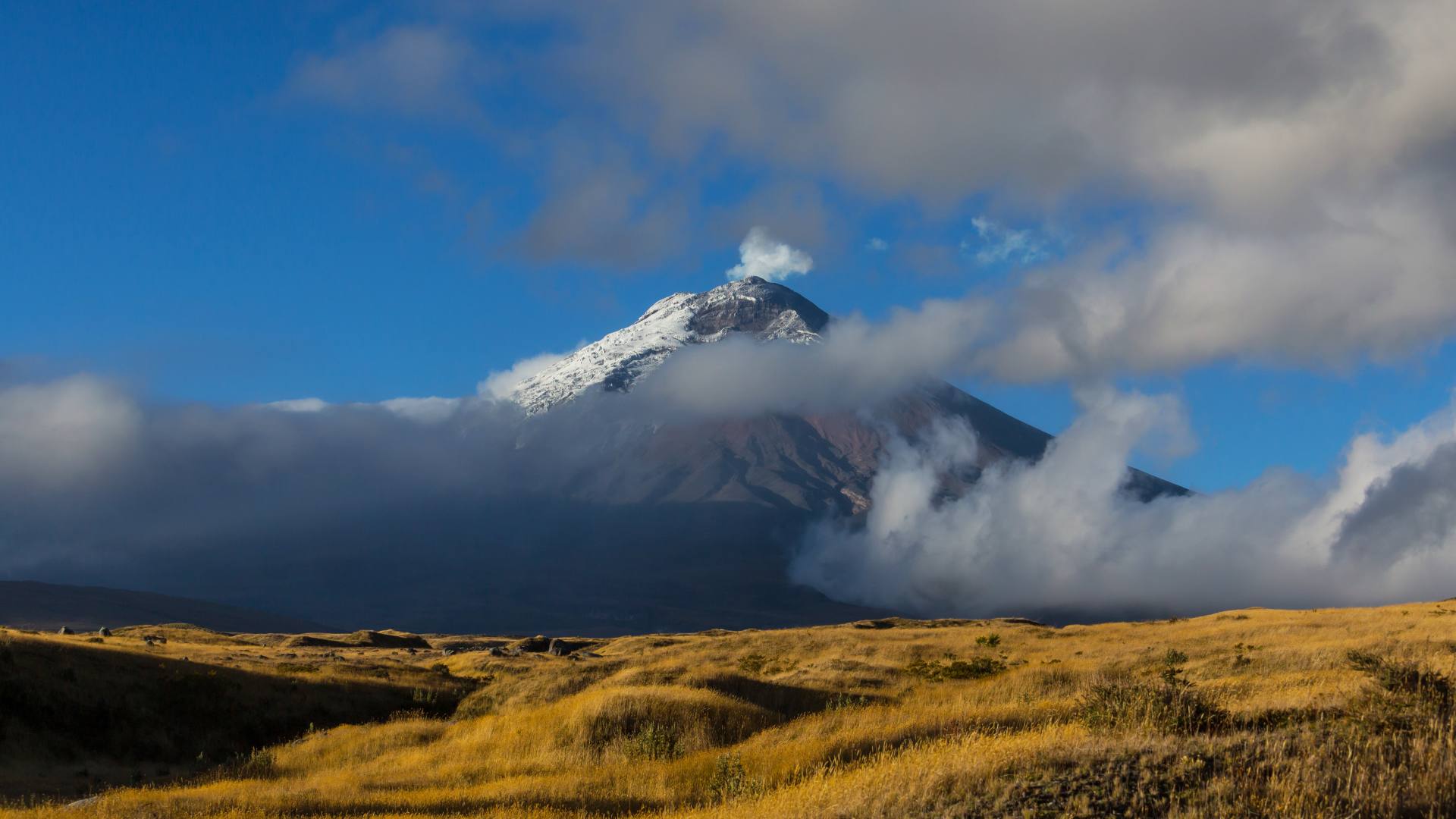

Climbing Cotopaxi, one of the most iconic peaks in Ecuador, offers adventurers a unique blend of breathtaking scenery and exhilarating challenge. Standing at an impressive 5,897 meters (19,347 feet), Cotopaxi is not only the second-highest volcano in the country but also one of the most active in the world. Its symmetrical cone shape and snow-capped summit make it a striking sight against the backdrop of the Andean landscape.
For many climbers, reaching the summit of Cotopaxi is a bucket-list achievement, representing both a physical challenge and an opportunity to connect with nature in its rawest form. The allure of Cotopaxi extends beyond its height; it is steeped in cultural significance and natural beauty. The surrounding national park is home to diverse ecosystems, including paramo grasslands and glacial lakes, which provide a rich habitat for wildlife.
As climbers prepare to embark on this journey, they are not only gearing up for a physical ascent but also immersing themselves in the rich history and culture of the region. The experience of climbing Cotopaxi is as much about the journey as it is about the destination, making it a memorable adventure for those who dare to take on its slopes.
Physical Preparation for Climbing Cotopaxi
Building Cardiovascular Fitness
A well-rounded training regimen should include cardiovascular exercises, strength training, and endurance workouts. Activities such as hiking, running, cycling, and swimming can help build the necessary stamina and cardiovascular fitness required for the climb.
Strength Training for Injury Prevention
Additionally, incorporating strength training focused on the legs, core, and upper body will enhance overall performance and reduce the risk of injury.
Simulation Training for Climbing Cotopaxi
In the weeks leading up to the climb, it is advisable for climbers to engage in specific training that mimics the conditions they will face on Cotopaxi. This could involve hiking with a weighted backpack to simulate carrying gear during the ascent. Climbers should also practice ascending and descending on varied terrain to build confidence and improve their technique. By gradually increasing the intensity and duration of their workouts, climbers can prepare their bodies for the physical demands of reaching Cotopaxi’s summit.
Mental Preparation for Climbing Cotopaxi
While physical fitness is essential for climbing Cotopaxi, mental preparation plays an equally important role in ensuring a successful ascent. The psychological challenges of high-altitude climbing can be daunting; climbers may experience fatigue, fear, or self-doubt as they push their limits. Developing mental resilience is key to overcoming these obstacles.
Techniques such as visualization can be beneficial; climbers can imagine themselves successfully reaching the summit and enjoying the views from the top. This mental rehearsal can help build confidence and reduce anxiety. Additionally, mindfulness practices can aid climbers in managing stress and maintaining focus during the climb.
Techniques such as deep breathing or meditation can help individuals stay present and calm in challenging situations. It is also important for climbers to set realistic goals and maintain a positive mindset throughout their journey. Embracing the experience—both its challenges and triumphs—can foster a sense of accomplishment that extends beyond simply reaching the summit.
Gear and Equipment Needed for Climbing Cotopaxi
Having the right gear and equipment is vital for a successful climb of Cotopaxi. Climbers should invest in high-quality clothing that provides warmth, protection from the elements, and breathability. Layering is key; a moisture-wicking base layer, an insulating mid-layer, and a waterproof outer layer will help regulate body temperature and keep climbers dry in unpredictable weather conditions.
Additionally, sturdy mountaineering boots with good ankle support are essential for navigating rocky terrain and icy slopes. In terms of technical equipment, climbers will need items such as crampons, ice axes, harnesses, and ropes. Crampons provide traction on icy surfaces, while ice axes are crucial for self-arrest techniques in case of slips or falls.
A well-fitted helmet is also necessary to protect against falling rocks or ice. Beyond personal gear, climbers should consider bringing essentials like a first-aid kit, headlamp, water bottles or hydration systems, and high-energy snacks to sustain them during the climb. Proper preparation with gear not only enhances safety but also contributes to overall comfort during the ascent.
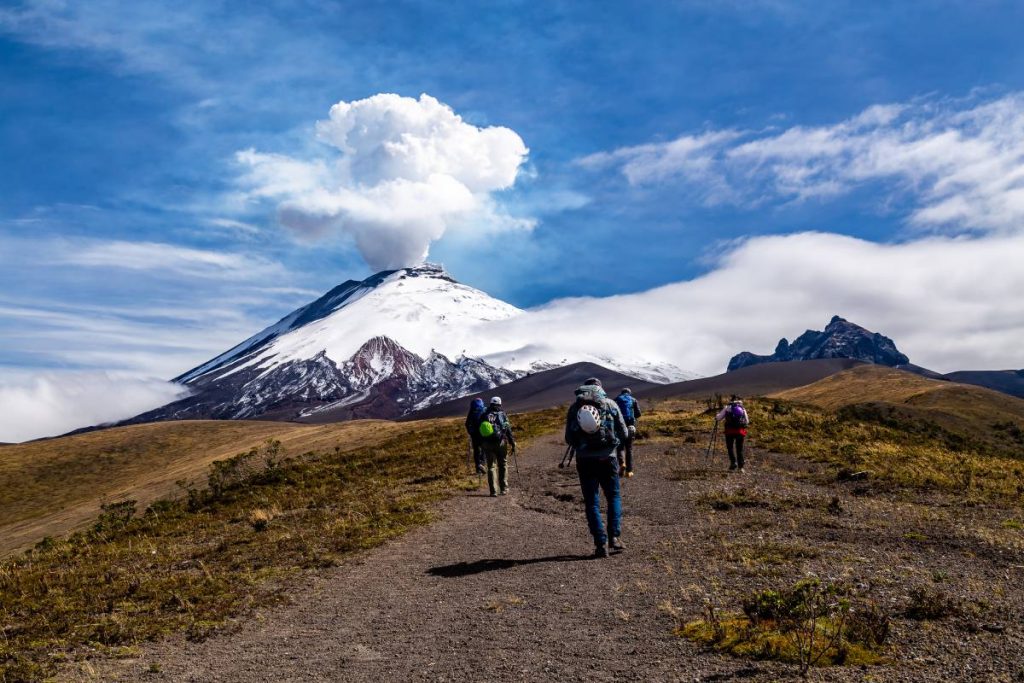
Choosing a Guide for Climbing Cotopaxi
Selecting a qualified guide is an important step in preparing for a climb of Cotopaxi. Experienced guides possess not only technical climbing skills but also extensive knowledge of the mountain’s terrain and weather patterns. They can provide valuable insights into acclimatization strategies and safety measures that are crucial for high-altitude climbing.
When choosing a guide service, climbers should look for companies with strong reputations, positive reviews from previous clients, and certified guides who have experience on Cotopaxi. A good guide will prioritize safety while also ensuring that climbers have an enjoyable experience. They should be able to assess each climber’s skill level and tailor their approach accordingly.
Additionally, guides often play a crucial role in fostering group dynamics, helping climbers support one another throughout the journey. By choosing a reputable guide service, climbers can enhance their chances of reaching the summit while enjoying a safe and rewarding experience.
Acclimatization and Altitude Sickness Prevention for Climbing Cotopaxi
Understanding Altitude Sickness
As climbers ascend to greater heights, they must be aware of the risks of altitude sickness. This condition can cause headaches, nausea, dizziness, or fatigue, and can affect anyone, regardless of age or physical fitness.
Acclimatization Strategies
To mitigate the risk of altitude sickness, climbers should spend several days at intermediate altitudes to help their bodies adapt gradually. During this period, it is essential to stay hydrated by drinking plenty of water, as this helps maintain optimal bodily functions at high altitudes.
Health Precautions
Climbers should avoid alcohol and heavy meals during the acclimatization period, as these can exacerbate symptoms of altitude sickness. By prioritizing acclimatization and being mindful of their health, climbers can significantly increase their chances of a successful summit attempt.
Climbing Techniques and Safety Measures for Cotopaxi
Mastering climbing techniques is essential for safely navigating Cotopaxi’s challenging terrain. Climbers should familiarize themselves with basic mountaineering skills such as using crampons effectively on icy slopes and employing proper techniques with an ice axe for balance and self-arrest. Learning how to move efficiently on snow and ice will not only enhance safety but also conserve energy during the ascent.
Safety measures are paramount when climbing Cotopaxi. Climbers should always be aware of their surroundings and communicate effectively with their team members and guides. Establishing clear protocols for emergencies—such as what to do in case of severe weather or injury—can make all the difference in ensuring everyone’s safety on the mountain.
Additionally, climbers should be prepared to turn back if conditions become too dangerous or if they are not feeling well; recognizing one’s limits is crucial in high-altitude climbing.
Conclusion and Post-Climb Considerations for Cotopaxi
Reaching the summit of Cotopaxi is an extraordinary achievement that leaves climbers with lasting memories and a profound sense of accomplishment. However, it is essential to approach post-climb considerations with equal care as preparation for the ascent itself. After descending from the mountain, climbers should take time to rest and recover from their exertions.
This may involve hydration, nutrition replenishment, and gentle stretching to alleviate muscle soreness. Reflecting on the experience can also be beneficial; sharing stories with fellow climbers or documenting thoughts in a journal can help solidify memories from this remarkable journey. For many adventurers, climbing Cotopaxi serves as a catalyst for future explorations—whether that means tackling new peaks or simply embracing outdoor activities closer to home.
Ultimately, climbing Cotopaxi is not just about conquering a mountain; it is about personal growth, connection with nature, and forging bonds with fellow adventurers along the way.
If you are interested in exploring more of Ecuador’s natural wonders, you may want to check out the article Discovering the History of the Anangu Community: A Cultural and Natural Legacy. This article delves into the rich history and cultural significance of the Anangu community, offering a deeper understanding of the natural beauty and heritage of Ecuador. It is a fascinating read for those looking to immerse themselves in the diverse landscapes and traditions of this beautiful country.
FAQS
What is the Cotopaxi?
The Cotopaxi is an active stratovolcano located in the Andes Mountains, near Quito, Ecuador. It is one of the highest active volcanoes in the world.
What does “Subir el Cotopaxi” mean?
“Subir el Cotopaxi” translates to “climbing the Cotopaxi” in English. It refers to the activity of ascending to the summit of the Cotopaxi volcano.
What are the requirements for climbing the Cotopaxi?
Climbing the Cotopaxi requires a good level of physical fitness, acclimatization to high altitudes, and some previous experience in mountaineering. It is also recommended to hire a certified guide and obtain the necessary permits.
What is the best time of the year to climb the Cotopaxi?
The best time to climb the Cotopaxi is during the dry season, which typically runs from June to September. During this time, the weather is more stable, and the chances of reaching the summit are higher.
What are the main challenges of climbing the Cotopaxi?
Some of the main challenges of climbing the Cotopaxi include the high altitude, extreme weather conditions, and the technical difficulty of the ascent, which includes glacier travel and ice climbing.
What should I pack for climbing the Cotopaxi?
Some essential items to pack for climbing the Cotopaxi include warm clothing, mountaineering boots, crampons, ice axe, helmet, harness, ropes, and a backpack with food and water. It is also important to bring sunscreen, sunglasses, and a headlamp.