
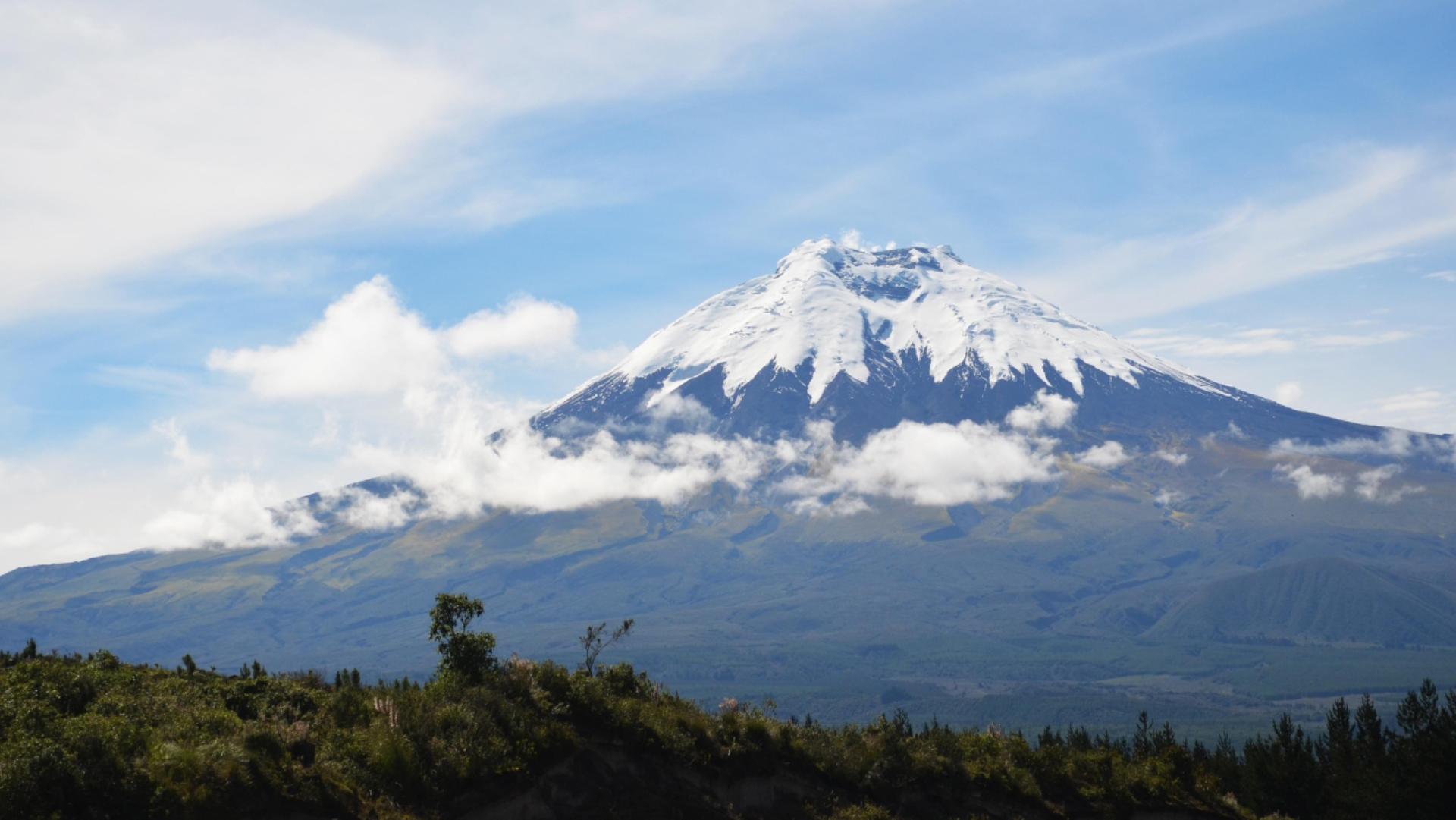

When you think of Ecuador, the Galápagos Islands often steal the spotlight. But for those who crave altitude, raw landscapes, and a deep connection with indigenous culture, the Andes are where the real magic happens. Stretching like a spine through the heart of the country, the Ecuadorian Andes offer some of the most accessible yet breathtaking multi-day hikes Ecuador Andes enthusiasts could dream of. Whether you are a seasoned trekker or a passionate hiker looking for your next challenge, Andes adventure travel Ecuador delivers volcanic craters, paramo grasslands, cloud forests, and encounters with communities that have lived in harmony with these peaks for centuries.
In this guide, we walk you through five of the best Ecuador trekking routes that combine physical reward with cultural immersion. Lace up your boots, pack your rain gear, and prepare for a journey that will change your perspective on the world.
1. The Quilotoa Loop: A Classic of Indigenous Hospitality
Route Overview
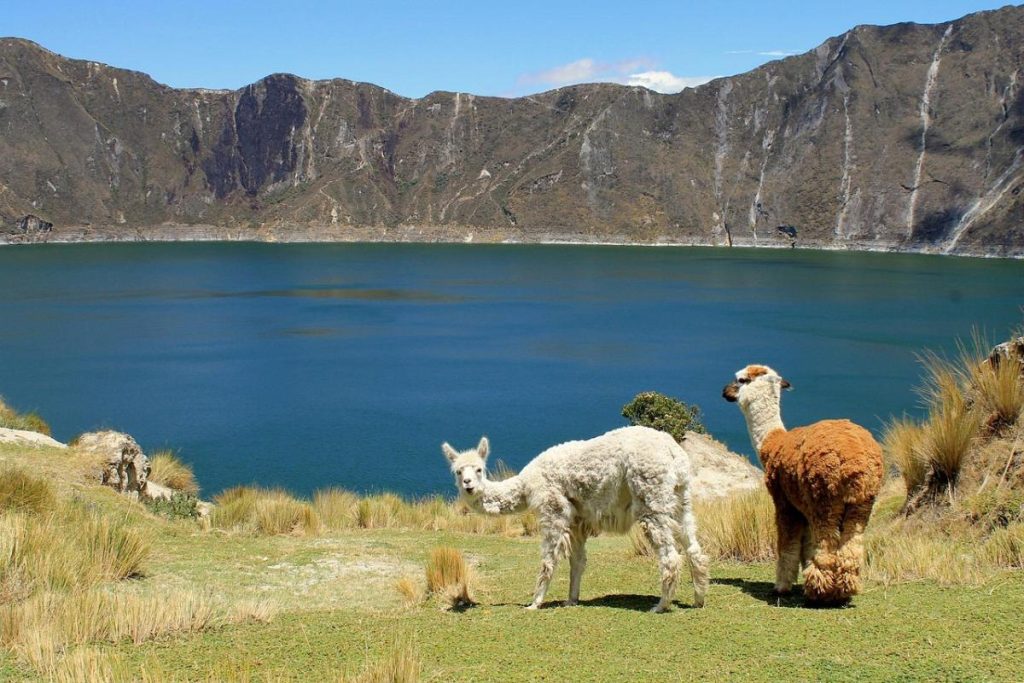
The Quilotoa Loop is arguably the most famous multi-day trek in Ecuador. Circling the stunning Quilotoa Lagoon—a turquoise crater lake at 3,900 meters—this route takes you through deep river canyons, patchwork farmlands, and remote indigenous villages. The full loop typically takes 3 to 4 days, though many hikers opt for a 2-day version.
Why It Belongs on Your List
This is not just a hike; it is a cultural exchange. You will sleep in family-run hostels in communities like Chugchilán and Isinliví, where locals prepare hearty meals of potato soup, quinoa, and fresh trout. The trail is well-marked but challenging, with steep descents into the Toachi River Valley followed by lung-busting ascents. The reward? Standing at the rim of Quilotoa Lagoon as the sun paints the water emerald and cobalt.
- Distance: 30–40 km (depending on route)
- Difficulty: Moderate to challenging (high altitude)
- Best season: June to September (dry season) or December to January
- Highlight: Sunset at Quilotoa Lagoon and meeting local Kichwa families
2. The Inca Trail to Ingapirca: History Meets Highland Scenery
Route Overview
While Peru’s Inca Trail is world-famous, Ecuador has its own version—shorter, quieter, and equally fascinating. This 3-day trek connects the colonial town of Achupallas to the Inca ruins of Ingapirca, the largest archaeological site in Ecuador. You will walk along original Inca stone pathways, crossing high-altitude paramos and passing ancient tambos (rest stops).
Why It Belongs on Your List
This route offers a perfect blend of history and nature. The trail winds through the Sangay National Park buffer zone, home to wild llamas, condors, and the elusive spectacled bear. The final approach to Ingapirca, with its elliptical Temple of the Sun, is a moment of pure awe. It is one of the most culturally rich Ecuador trekking routes for those interested in pre-Columbian civilizations.
- Distance: 20–25 km
- Difficulty: Moderate (some steep sections)
- Best season: May to October
- Highlight: Sleeping in a traditional Cañari community lodge
3. The Cajas National Park Circuit: Lakes, Llamas, and Lunar Landscapes
Route Overview
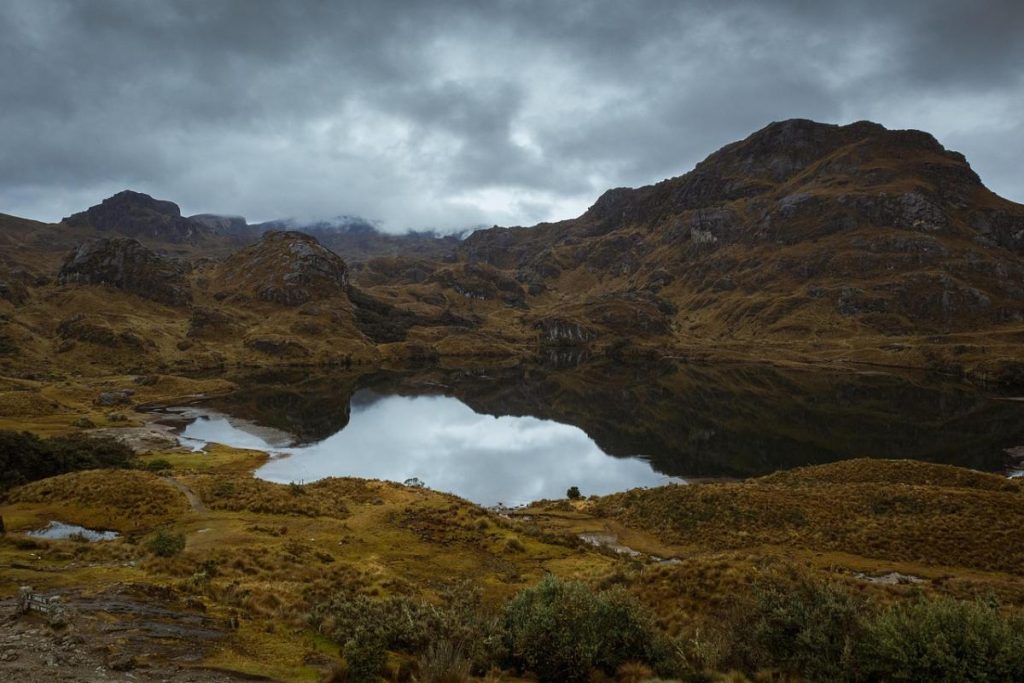
Just outside Cuenca, the Cajas National Park is a high-altitude wonderland of over 200 glacial lakes, jagged peaks, and dwarf forests. The classic multi-day circuit—often done in 2 to 3 days—takes you from the park entrance through the Toreadora Valley, past Laguna Llaviucu, and up to the Tres Cruces viewpoint at 4,200 meters.
Why It Belongs on Your List
If you love solitude and dramatic weather, Cajas is your paradise. The terrain feels otherworldly: boulder fields, sponge-like paramo vegetation, and water so clear you can see the bottom of the deepest lakes. You may share the trail with herds of wild llamas and grazing alpacas. It is a demanding trek due to the altitude and unpredictable rain, but the sense of remoteness is unmatched. For Andes adventure travel Ecuador, Cajas offers a raw, unfiltered experience.
- Distance: 25–35 km
- Difficulty: Challenging (high altitude, no facilities)
- Best season: June to August
- Highlight: Camping by a pristine glacial lake under the Milky Way
4. The Chimborazo Ascent: Climbing to the Closest Point to the Sun
Route Overview
For experienced trekkers, a multi-day attempt on Chimborazo is the ultimate goal. At 6,263 meters, Ecuador’s highest peak is not a technical climb, but it demands excellent physical conditioning and proper acclimatization. Most itineraries include a 3-day program: day one for hiking around the base (4,800 m), day two for a high camp at 5,200 m, and day three for the summit push starting at midnight.
Why It Belongs on Your List
Standing on the summit of Chimborazo means being physically closer to the sun than any other point on Earth (due to the equatorial bulge). The views of the surrounding volcanoes—Cotopaxi, Cayambe, and Sangay—are indescribable. This is the pinnacle of multi-day hikes Ecuador Andes for those seeking altitude and achievement. You will also pass through the Chimborazo Wildlife Reserve, home to vicuñas, Andean foxes, and the majestic condor.
- Distance: Variable (summit day is 8–12 hours)
- Difficulty: Strenuous (high altitude, cold, technical gear required)
- Best season: December to February and June to August
- Highlight: Sunrise from the summit—a life-changing moment
5. The Sangay National Park Traverse: The Wildest Frontier
Route Overview
Sangay National Park is a UNESCO World Heritage site and one of the most biodiverse protected areas in the world. The classic traverse—often taking 5 to 7 days—crosses from the high paramo of the Alao region, through cloud forests, and down into the Amazon lowlands. You will walk beneath the active Sangay Volcano, which frequently rumbles and spews ash.
Why It Belongs on Your List
This is not for the faint of heart. The trail is poorly marked, the weather is brutal, and you will likely see no other trekkers for days. But the reward is immersion in pristine ecosystems: tapir tracks, toucans, howler monkeys, and the surreal sight of lava flows against green jungle. It is the ultimate off-the-beaten-path Ecuador trekking route for true adventurers. You must go with a guide—this is non-negotiable for safety.
- Distance: 50–60 km
- Difficulty: Extreme (remote, no infrastructure)
- Best season: June to September (less rain)
- Highlight: Crossing the “Pass of the Condor” at 4,600 meters
Essential Tips for Your Andes Adventure
Before you set off on any of these multi-day hikes Ecuador Andes routes, keep these professional tips in mind:
- Acclimatize: Spend at least 2 days in Quito (2,850 m) or a similar highland city before starting a trek.
- Pack layers: The Andes can deliver sun, rain, hail, and snow all in one afternoon. A good waterproof jacket is your best friend.
- Hire local guides: Not only does this support local economies, but it also ensures safety on lesser-known trails like Sangay or the Inca Trail.
- Respect the land: Pack out all waste, stay on trails, and ask permission before photographing indigenous community members.
Your Next Great Adventure Awaits
Ecuador may be small on the map, but its Andes are vast in spirit. From the turquoise depths of Quilotoa to the icy summit of Chimborazo, these five Ecuador trekking routes offer something for every level of hiker. They are not just walks in the mountains; they are journeys into the heart of a nation shaped by volcanic fire, ancient footsteps, and the warmth of its people.
Ready to trade the ordinary for the extraordinary? Whether you dream of sleeping under the stars in Cajas or walking the same stones as the Incas, Andes adventure travel Ecuador is calling. Contact a local tour operator today, book your permits, and start training. The Andes are waiting—and they will reward you with views, stories, and memories that last a lifetime.