
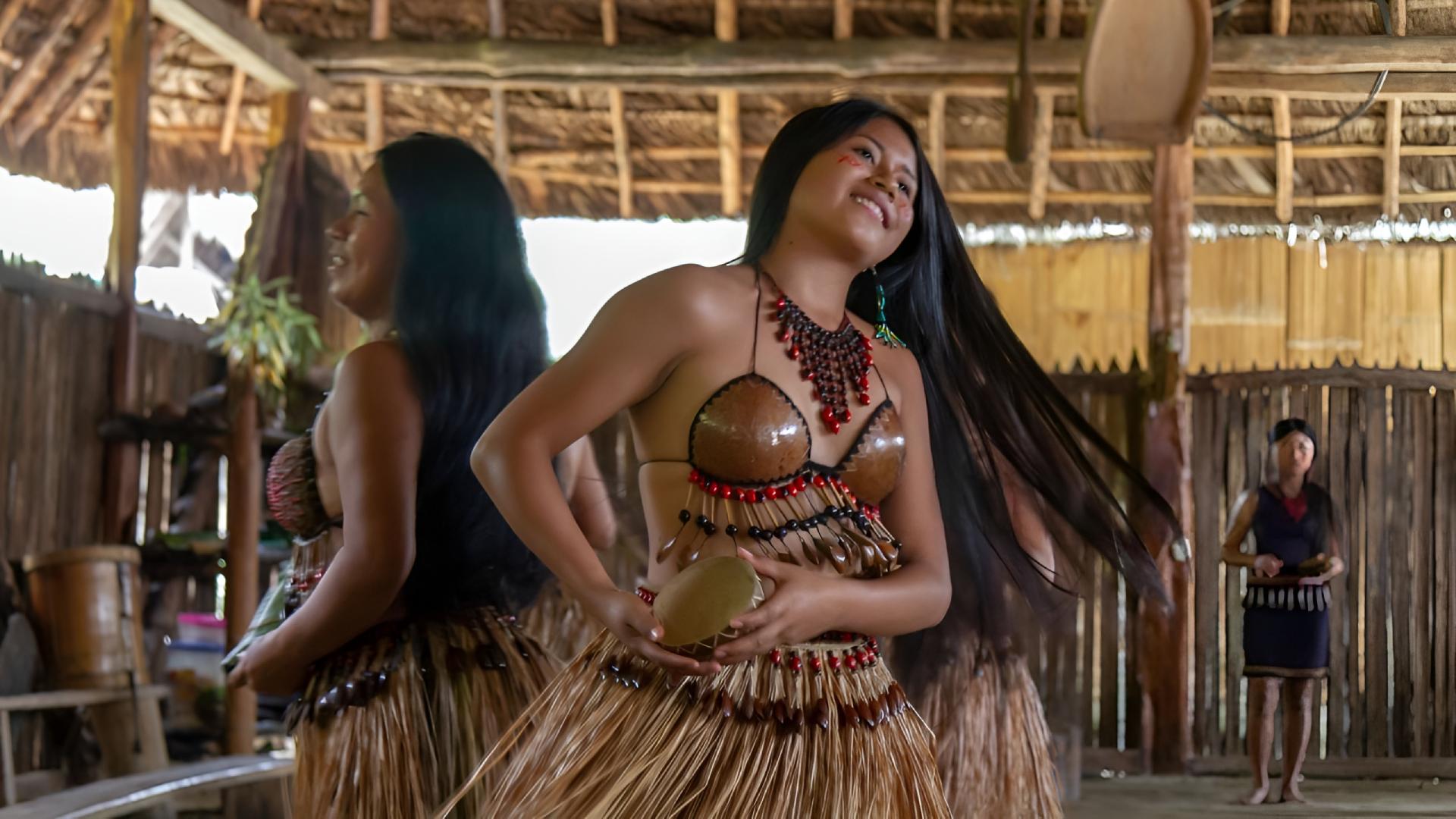

The Heartbeat of Ecuador
Ecuador is a land of staggering biodiversity—the Amazon rainforest, the Galápagos Islands, the soaring Andes—but its true wealth lies in its people. For centuries, Indigenous communities have stewarded these landscapes, preserving languages, traditions, and worldviews that predate the Inca Empire. Today, an increasing number of travelers seek more than a postcard photo; they crave meaningful connection. This is where indigenous tourism Ecuador shines. By choosing community-based tourism Ecuador, you don’t just visit a place—you enter a living culture. But with this privilege comes responsibility. How do you ensure your visit honors the hosts, supports local economies, and leaves a positive footprint? This article provides a practical, respectful roadmap for engaging with cultural tourism Ecuador in a way that benefits everyone.
What Is Indigenous Community Tourism?
Indigenous community tourism is a form of travel where Indigenous peoples lead, manage, and benefit directly from tourism activities in their ancestral territories. Unlike mass tourism, which often extracts value from local cultures, community-based tourism Ecuador places decision-making power in the hands of the community. Visitors stay in locally built lodges, eat traditional foods, participate in ceremonies, and learn from elders. This model fosters cultural preservation, environmental stewardship, and economic self-sufficiency. In Ecuador, communities in the Amazon, Andes, and coastal regions have opened their homes to travelers, offering experiences that range from guided jungle treks to weaving workshops.
Why It Matters
When you engage in cultural tourism Ecuador through community-based initiatives, your travel dollars directly fund schools, healthcare, and land protection. It also counters stereotypes by allowing Indigenous voices to tell their own stories. For example, the Kichwa community of Sarayaku in the Amazon uses tourism to defend their territory against oil extraction, while the Otavalo people in the Andes share their textile heritage to keep ancient techniques alive. Your visit becomes an act of solidarity.
How to Choose a Responsible Indigenous Tourism Experience
Not all tours labeled “indigenous” are created equal. Some are run by outside operators who exploit cultural symbols for profit. To ensure your experience is genuine and ethical, follow these guidelines:
- Look for community-led organizations. Search for lodges or tours explicitly owned and operated by Indigenous families or cooperatives. Examples include the Napo Wildlife Center (Kichwa Añangu community) or the Hacienda Cusín (Otavalo region, though verify current ownership).
- Check for certifications. The Ecuadorian Ministry of Tourism awards “Community Tourism” certifications to approved operators. Also look for membership in the Ecuadorian Federation of Community Tourism (FEPTCE).
- Read reviews with a critical eye. Look for comments about cultural sensitivity, fair wages, and environmental practices. Avoid tours that promise “authentic” experiences but feel staged or rushed.
- Ask questions before you book. How is revenue shared? Who guides the tour? Are you allowed to take photos? A responsible operator will be transparent.
Top Destinations for Indigenous Community Tourism in Ecuador
Ecuador offers a wealth of regions where you can experience indigenous tourism Ecuador respectfully. Here are three standout areas:
1. The Amazon Rainforest: Kichwa & Waorani Communities
The Ecuadorian Amazon is home to dozens of Indigenous nations. The Kichwa community of Añangu manages the Napo Wildlife Center, a world-renowned ecolodge accessible only by canoe. Guests learn about medicinal plants, participate in chicha (yuca beer) preparation, and spot pink river dolphins. Further east, the Waorani people offer treks into their protected territory, where they demonstrate blowgun hunting and share stories of resistance. Always book through community-owned lodges to ensure funds stay local.
2. The Andes: Otavalo & Salasaca
The Otavalo market is famous, but true cultural tourism Ecuador in the highlands goes deeper. Visit the community of Peguche, where you can stay with a weaving family, learn natural dyeing from plants like cochineal, and hike to the sacred Peguche Waterfall. In Salasaca, known for their distinctive ponchos and hats, families offer homestays where you can join in daily life—herding sheep, cooking over a fire, and listening to legends in Kichwa. These experiences build genuine cross-cultural understanding.
3. The Coast: Manta & Montañita (Indigenous Afro-Ecuadorian & Manta)
While less promoted, coastal Indigenous and Afro-Ecuadorian communities also welcome visitors. In the province of Manabí, the Manta people (descendants of the pre-Columbian Manteño culture) run community tours of archaeological sites and mangrove forests. Near Montañita, the Valdivia community offers sustainable fishing trips and traditional seafood cooking classes. These initiatives help preserve coastal ecosystems and revive ancestral practices.
Practical Tips for a Respectful Visit
Respect is not just a feeling—it’s a set of actions. Here are key ways to ensure your presence is welcome:
- Ask permission before taking photos. Many Indigenous people consider photography a spiritual or private matter. Always ask first, and be willing to accept “no.” Offer to share the image with them if they agree.
- Dress modestly. In many communities, shoulders and knees should be covered, especially during ceremonies. Avoid flashy jewelry or logos that might be seen as disrespectful.
- Learn a few words of the local language. A simple “Alli puncha” (good day in Kichwa) or “Achik” (thank you in Waorani) goes a long way. It shows you value their culture.
- Participate, but don’t dominate. Join in a dance, try the food, but let your hosts lead. Avoid lecturing or “correcting” traditions—you are a guest, not a teacher.
- Buy directly from artisans. When shopping, purchase items from the maker, not a middleman. This ensures fair compensation and supports craft continuity.
- Leave no trace. Follow the same environmental ethics you would in a national park. Avoid single-use plastics, stay on trails, and never remove plants or artifacts.
Common Mistakes to Avoid
Even well-meaning travelers can inadvertently cause harm. Here are pitfalls to watch for:
- Treating communities as a “living museum.” Indigenous people are modern. They use smartphones, drive cars, and have contemporary aspirations. Don’t ask them to “perform” a lifestyle for your camera.
- Bargaining aggressively. Handicrafts often represent hours of skilled labor. Pay the asking price or respectfully negotiate if it’s customary, but don’t demean the work.
- Ignoring protocols. Some ceremonies have strict rules (e.g., no menstruating women, no pointing). Listen carefully to your guide’s instructions.
- Assuming homogeneity. Ecuador has 14 Indigenous nationalities and 18 distinct peoples. Each has unique customs—never generalize.
Your Journey, Their Future
Travel is a privilege, and indigenous tourism Ecuador offers a rare chance to see the world through different eyes. When you choose community-based tourism Ecuador, you become part of a story that values people over profit, tradition over trend. You support families who protect the Amazon, keep the Kichwa language alive, and weave the future from ancient threads. The key is to go with humility, curiosity, and a willingness to listen.
Your call to action: Ready to plan a trip that matters? Start by researching community-owned lodges like the Napo Wildlife Center or the Salasaca Homestay Network. Contact them directly, ask about their protocols, and book with intention. Share this article with fellow travelers to spread awareness. Remember: the most meaningful souvenirs are not objects—they are memories of shared laughter, shared meals, and shared respect. Ecuador’s Indigenous communities are waiting to welcome you. Travel well, and travel wisely.