
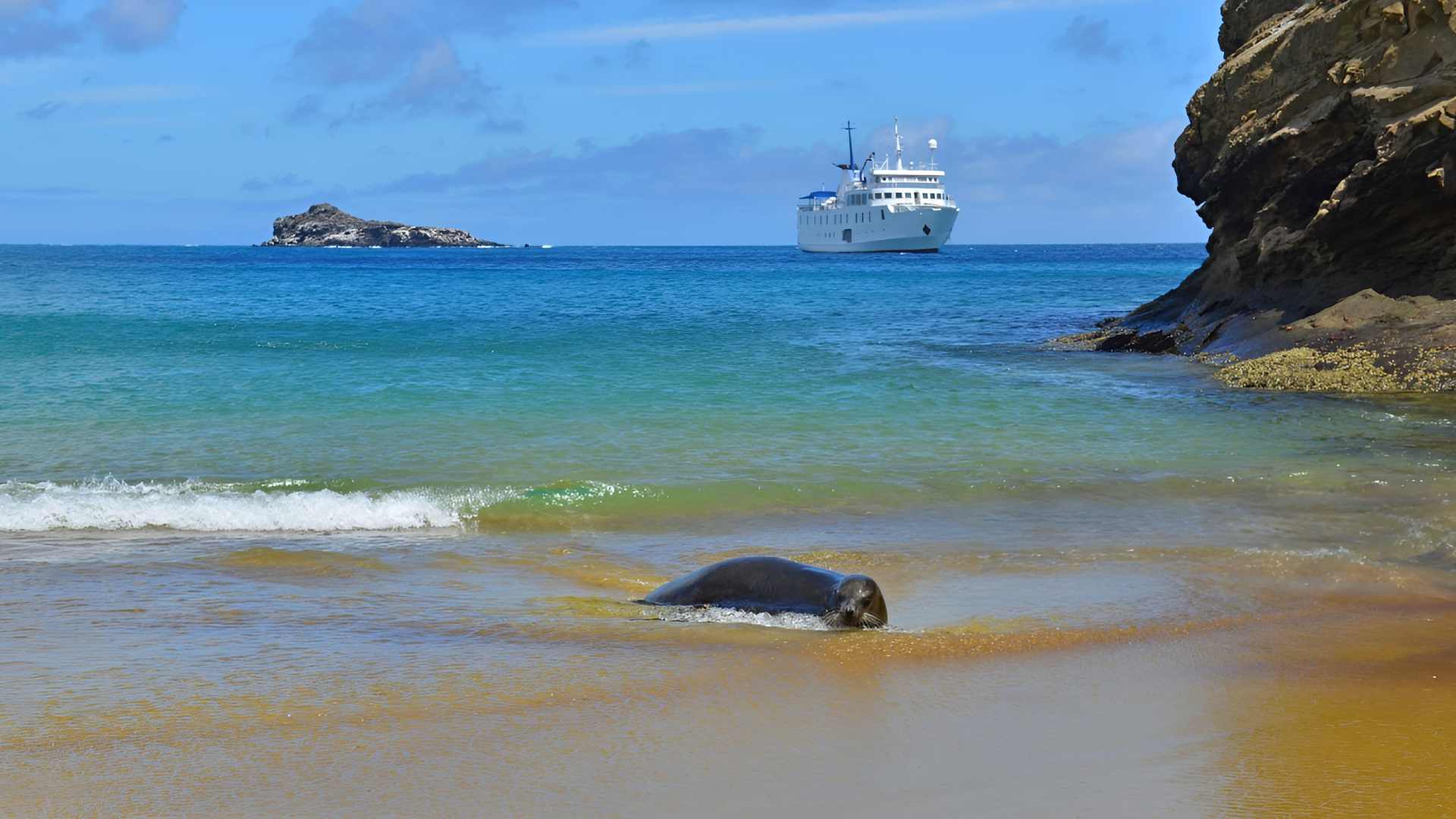

The Galapagos Islands are one of the most extraordinary travel destinations on Earth — a living laboratory of evolution, home to giant tortoises, marine iguanas, blue-footed boobies, and wildlife so unafraid of humans that you’ll often have to step around sea lions napping on the beach. But this fragile paradise comes with a responsibility. Every visitor plays a role in protecting the archipelago for future generations, and that responsibility begins long before you set foot on a boat. It starts with how to book Galapagos cruise experiences the right way: thoughtfully, transparently, and online.
Booking a cruise to the Galapagos isn’t quite like booking a standard beach vacation. There are permits, park regulations, itinerary approvals, and a growing number of operators to sort through. The good news? With the right roadmap, you can plan an unforgettable, responsible Galapagos travel experience entirely from your laptop. This tutorial walks you through the entire process, step by step.
Step 1: Understand What “Responsible” Means in the Galapagos
Before you start comparing prices, it helps to understand the framework that makes Galapagos tourism sustainable. The Galapagos National Park Directorate (GNPD) strictly limits the number of ships, permits, and visitors allowed in the islands at any given time. This isn’t red tape for its own sake — it’s what keeps the ecosystem intact.
Key pillars of responsible cruising
- Licensed vessels and guides: Only ships with official GNPD permits may operate in the park, and only certified naturalist guides may lead excursions.
- Small group sizes: Regulations cap passenger numbers per site, so smaller yachts generally offer lower-impact experiences.
- Strict wildlife protocols: Visitors must keep a 2-meter distance from animals, stay on marked trails, and never feed or touch wildlife.
- Local economic benefit: Responsible operators hire locally, source supplies from the islands, and reinvest in conservation.
When you keep these pillars in mind, every booking decision becomes clearer — and you’ll naturally filter out operators who cut corners.
Step 2: Choose the Right Type of Cruise for You
Galapagos cruises fall into a few broad categories, and your choice affects both your experience and your environmental footprint.
By boat size
- Small yachts (8–20 passengers): The most intimate option. You’ll enjoy personalized guiding, flexible shore excursions, and minimal impact on landing sites.
- Mid-size vessels (20–48 passengers): A good balance of comfort, amenities, and manageable group sizes.
- Large ships (48–100 passengers): More onboard facilities, but shore groups are split up and the experience can feel less personal.
By itinerary region
- Central and Southern Islands: Classic wildlife sites like Santa Cruz, Floreana, and Española.
- Northern and Western Islands: More remote, volcanic landscapes, and iconic species like flightless cormorants and penguins.
- Combined loops: Longer cruises (10–15 days) that cover more ground and are ideal if you’re traveling this far.
If your priority is responsible Galapagos travel, lean toward smaller vessels with well-documented conservation practices. They often provide the most authentic and lowest-impact experience.
Step 3: Research Operators and Verify Their Credentials
This is where careful online research pays off. Not every website selling a “Galapagos cruise” is a licensed operator — many are resellers or aggregators. Here’s how to tell the difference.
What to look for on an operator’s website
- GNPD operating license: Reputable operators display their permit or license number.
- Membership in IGTOA or similar associations: The International Galapagos Tour Operators Association sets high standards for sustainability.
- Smart Voyager or Rainforest Alliance certification: Independent audits that verify environmental and social responsibility.
- Transparent pricing: Clear breakdowns of what’s included (park fees, flights, wetsuit rental) versus extras.
- Detailed itineraries: Day-by-day schedules with specific visitor sites listed — vague descriptions are a red flag.
Red flags to avoid
- Prices that seem dramatically lower than everyone else’s.
- No physical address or verifiable contact information.
- Pressure tactics like “only one cabin left!” on every page.
- Unwillingness to answer questions about guides, permits, or sustainability practices.
Step 4: Compare Itineraries Carefully
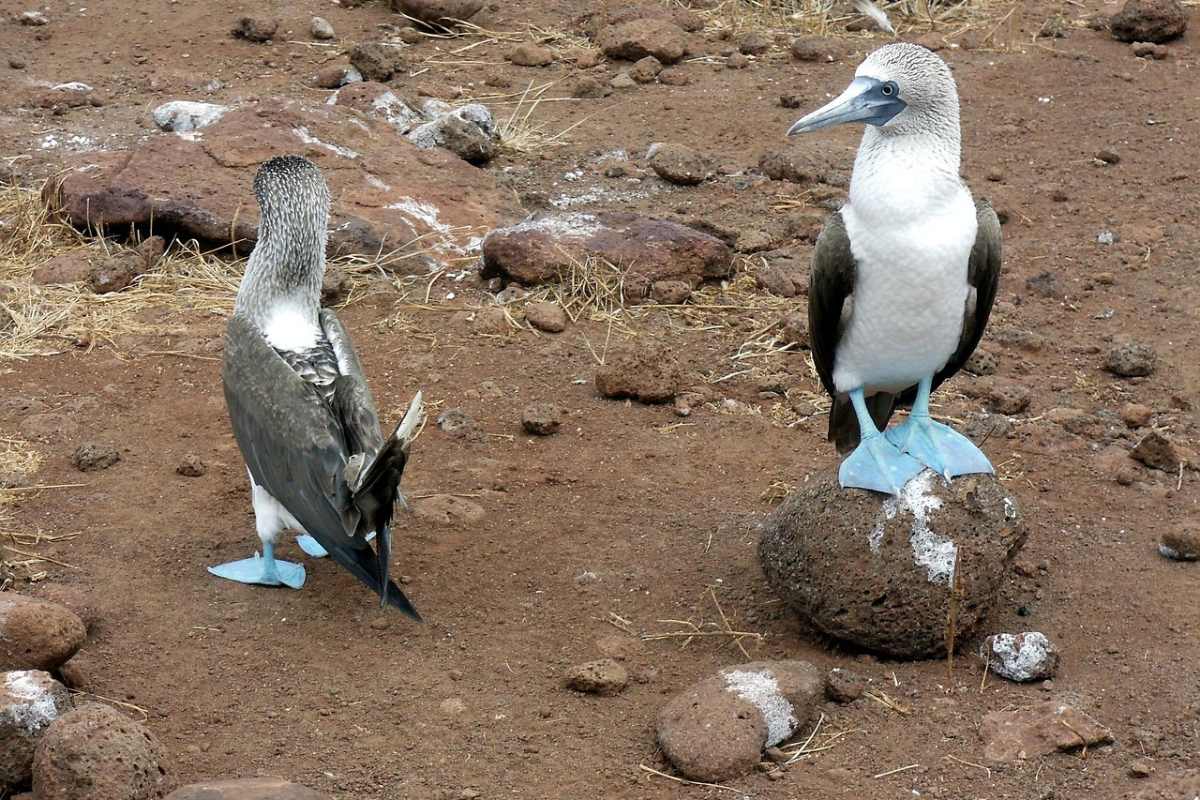
Two cruises can cost the same and visit completely different islands. This is where Galapagos cruise booking tips really matter. Read the day-by-day itinerary line by line.
Questions to ask yourself
- Which islands and visitor sites are included? Are they the ones on your bucket list?
- How many excursions per day, and how long are they?
- Is there time for snorkeling, kayaking, or paddleboarding?
- Does the cruise include a visit to the Charles Darwin Research Station or a tortoise breeding center?
- What’s the passenger-to-guide ratio?
Also check that the itinerary is approved by the GNPD. Legitimate operators publish their approved routes, and these change periodically to distribute visitor pressure across the archipelago.
Step 5: Book Directly or Through a Trusted Specialist
You have two main paths when booking online:
Booking directly with the operator
This often gives you the best price and the clearest communication. You’ll deal directly with the company that owns or charters the boat, and you can ask detailed questions about sustainability practices.
Booking through a specialized travel agency
Reputable Galapagos specialists — especially those based in Ecuador — can match you with the right boat, handle logistics, and often secure last-minute discounts. Look for agencies that are members of IGTOA and that clearly state their commitment to responsible tourism.
Whichever route you choose, always pay through secure, traceable methods. Avoid wiring money to personal accounts, and confirm cancellation and refund policies in writing before you commit.
Step 6: Understand Costs and What’s Included
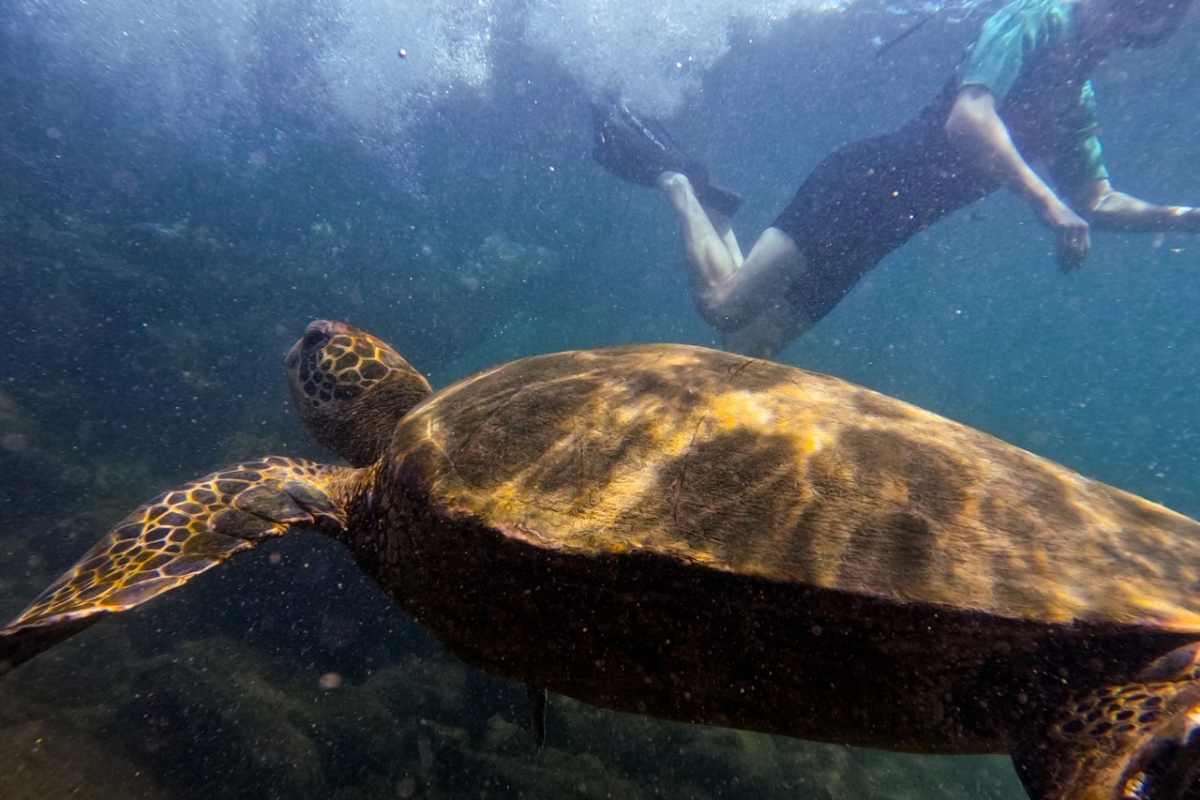
Galapagos cruises aren’t cheap, and that’s partly by design — the cost reflects permits, guides, fuel, food, and conservation fees. Here’s a typical breakdown:
- Cruise fare: Covers cabin, meals, guided excursions, and onboard activities.
- National Park entrance fee: Paid upon arrival at Baltra or San Cristóbal airports.
- INGALA transit card: A small fee required before boarding your flight to the islands.
- Flights: Usually from Quito or Guayaquil to Baltra or San Cristóbal.
- Extras: Wetsuit rental, alcoholic drinks, tips, and souvenirs.
Budget for all of these upfront. A cruise that looks like a bargain may end up costing more once hidden fees are added.
Step 7: Book Early (or Strategically Last-Minute)
There are two smart strategies for booking a Galapagos cruise:
- Book 6–12 months ahead: Best for securing specific boats, cabins, and dates, especially during peak season (June–August and December–January).
- Book 30–60 days out: Last-minute deals can save 20–40%, but your boat and itinerary choices will be limited.
If sustainability matters to you, booking early with a responsible operator is the safer bet — the best boats sell out first.
Step 8: Prepare Responsibly Before You Go
Your responsibility doesn’t end when you click “book.” A few pre-trip habits make a real difference:
- Pack reef-safe sunscreen, a reusable water bottle, and a sturdy hat.
- Learn about the wildlife and ecosystems you’ll encounter.
- Respect the rules: no touching animals, no removing anything from the islands, no feeding wildlife.
- Support local businesses in Puerto Ayora and Puerto Baquerizo Moreno before or after your cruise.
Your Adventure, Your Impact
Booking a responsible Galapagos cruise online is entirely doable — and when you do it thoughtfully, you’re not just planning a trip; you’re participating in one of the world’s most successful conservation stories. By choosing licensed operators, verifying sustainability credentials, reading itineraries carefully, and preparing to travel respectfully, you help ensure that the Enchanted Islands remain enchanted for generations to come.
Ready to take the next step? Start comparing itineraries from certified Galapagos operators today, ask the right questions, and book with confidence. Your once-in-a-lifetime adventure — and the islands themselves — will thank you.