
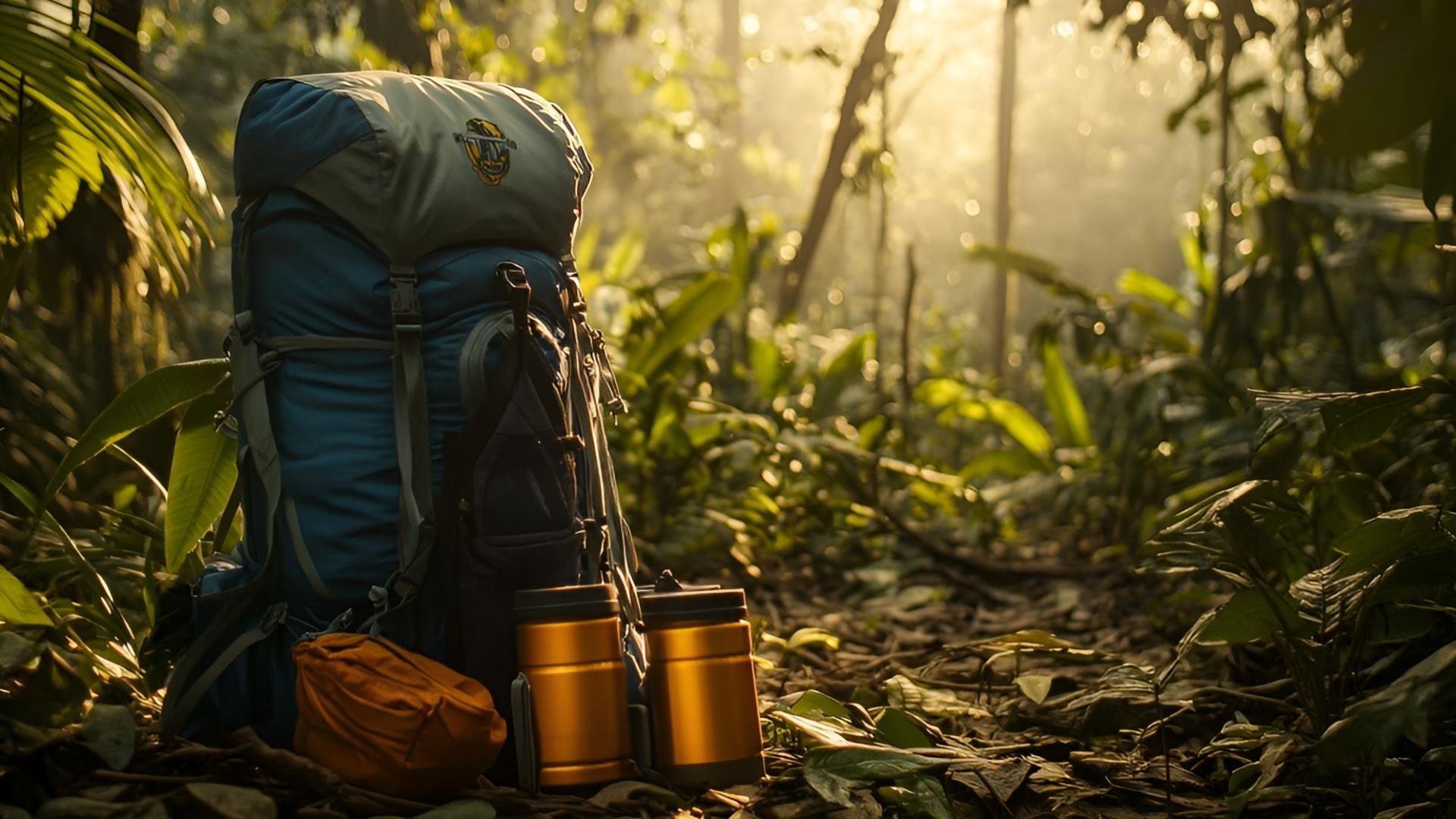

Ecuador is a country of superlatives. It cradles the Amazon rainforest, pierces the sky with Andean volcanoes, and hosts the enchanted Galapagos Islands—a living laboratory of evolution. As a traveler, you are about to step into one of the most biodiverse places on Earth. But with this privilege comes a profound responsibility.
The Galapagos are under pressure from invasive species and plastic pollution. The Amazon’s delicate soil thrives on organic matter, not synthetic waste. And the Andean highlands, home to Indigenous communities, rely on clean water sources that are increasingly threatened by microplastics.
Traveling sustainably in Ecuador isn’t just about choosing the right tour operator; it’s about what you carry on your back. Every single item you bring will either support the ecosystem or burden it. This sustainable travel packing Ecuador guide is designed to help you pack smarter, lighter, and with a zero-waste mindset, ensuring that your footprint is as light as the mist on the cloud forest.
Let’s build your eco-friendly packing list Ecuador from the ground up.
The Philosophy: Why Zero-Waste Matters Here
Before we dive into the checklist, we must understand the “why.” In many parts of Ecuador, waste management infrastructure is still developing. In the Galapagos, almost all non-organic waste must be shipped back to the mainland—a costly and fuel-intensive process. In the Amazon, burning trash is a common but harmful practice that releases toxins into the air.
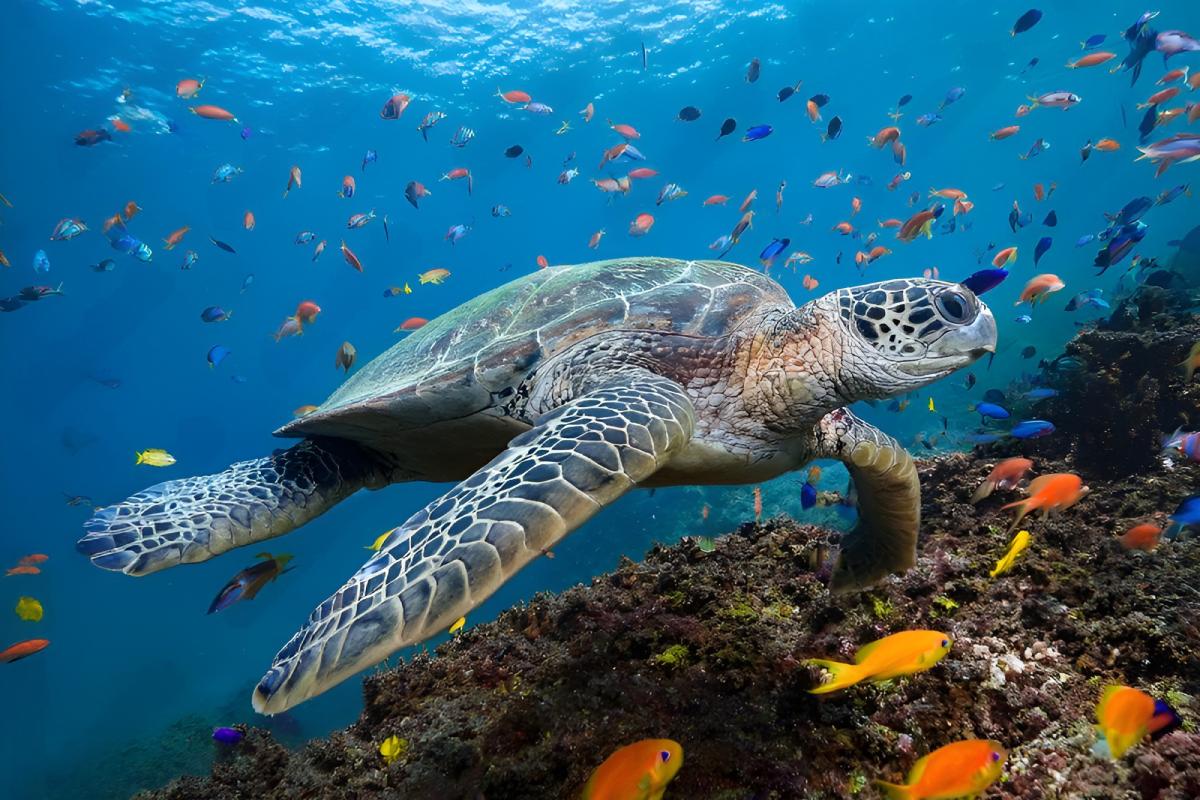
By adopting a zero waste travel Ecuador approach, you are actively participating in the solution. You are reducing the amount of waste that needs to be transported, burned, or buried. You are protecting the wildlife that might ingest plastic (like the famous Galapagos sea turtles) and ensuring that the pristine landscapes remain pristine for generations.
Packing sustainably is the first act of eco-tourism. It sets the tone for your entire journey.
The Core Kit: Reusables You Cannot Leave Home Without
This is the heart of your eco-friendly packing list Ecuador. These are the items you will use daily, multiple times a day. They replace single-use plastics and disposables entirely.
The Hydration System: Water Bottles and Filters
Tap water is not potable in most of Ecuador, which leads many travelers to buy plastic bottles. Avoid this entirely.
- Insulated Stainless Steel Bottle (1L): Bring a durable bottle. The insulation isn’t just for cold drinks; it keeps your water cool in the humid Amazon and prevents condensation.
- SteriPEN or LifeStraw: For the Andes and the Amazon, a portable UV purifier (like a SteriPEN) or a filtration bottle (like a LifeStraw Go) is a game-changer. You can safely refill from streams, rivers, or hotel filtered water stations. This is the single most effective way to practice sustainable travel packing Ecuador.
- Electrolyte Tablets: Instead of buying sugary sports drinks in plastic, carry eco-friendly electrolyte tablets. They replenish salts lost in the high-altitude sun and are packaged in paper or recyclable tubes.
The Cutlery and Container System
Street food is a huge part of Ecuadorian culture—from empanadas in Quito to fresh fruit in Baños. However, vendors often use styrofoam and plastic forks.
- Bamboo or Titanium Cutlery Set: Carry a fork, spoon, and chopsticks wrapped in a cloth. Titanium is lightweight and indestructible; bamboo is renewable and natural.
- Collapsible Silicone Food Container: This is essential for leftovers or buying street food directly into your container. It folds flat when not in use, taking up minimal space in your daypack.
- Reusable Produce Bags: You will visit local markets. Use lightweight mesh bags for fruits, vegetables, and grains. They are also perfect for collecting shells (to look at, not take) or carrying wet clothes.
The Straw and The Bag
- Stainless Steel or Glass Straw: Many juice bars in Ecuador serve fresh juice. Politely decline the plastic straw and use your own.
- Foldable Daypack (Packable Backpack): Bring a lightweight, packable daypack for excursions. This prevents you from buying cheap, poorly made bags at tourist stops that break after one use. Look for one made from recycled nylon.
Clothing and Footwear: Dressing for the Three Worlds
Ecuador has three distinct climate zones: the coast, the highlands, and the jungle. Your clothing choices impact the environment through laundering (water usage) and shedding microplastics.
The “Fabrics” Rule: Natural Over Synthetic
When creating your sustainable travel packing Ecuador wardrobe, prioritize natural fibers.
- Merino Wool: For the Andes, merino wool is king. It regulates temperature, is odor-resistant (meaning you wash it less, saving water), and is biodegradable.
- Bamboo and Tencel: For the Amazon’s humidity, bamboo viscose or Tencel (made from eucalyptus) is breathable and dries quickly.
- Recycled Polyester: If you need quick-dry gear for rafting or Galapagos cruises, ensure it is made from recycled plastic bottles (rPET). This gives a second life to waste, though be aware it still sheds microplastics. Wash it in a Guppyfriend bag to catch fibers.
The Layering System
- Thermal Base Layer: One set of merino wool base layers (top and bottom) for high-altitude nights.
- Mid-Layer Fleece: A recycled fleece jacket for the Andes and the cool Galapagos breeze.
- Waterproof Shell: A lightweight, packable rain jacket is non-negotiable. The Amazon rains are torrential, and the highlands are unpredictable.
- Sun-Protective Clothing: Long-sleeved shirts with UPF 50+ protect you from the intense equatorial sun without needing to reapply chemical sunscreen constantly. This is better for you and for the coral reefs.
Footwear Strategy
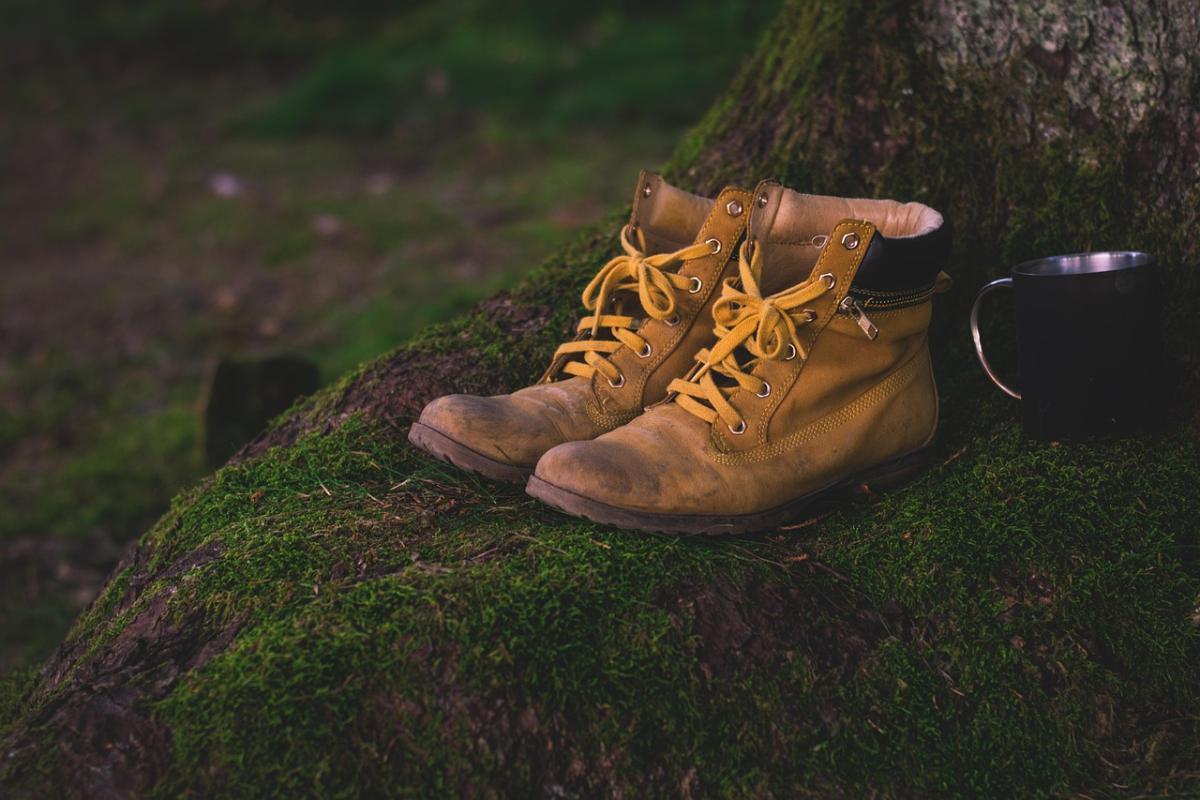
- Hiking Boots: Waterproof, broken-in boots for the Andes.
- Trail Runners or Sandals: For the Amazon and Galapagos, you will be on boats and wet landings. A sturdy pair of water sandals (like Chacos or Tevas) eliminates the need to buy cheap rubber flip-flops that break and end up in a landfill.
- Zero-Waste Shoe Care: Bring a small, solid bar of saddle soap to clean boots instead of aerosol sprays.
Toiletries and Health: The Chemical-Free Arsenal
Standard toiletries are packed in plastic and contain chemicals that harm aquatic life. The Galapagos marine reserve is particularly sensitive to sunscreen chemicals like Oxybenzone.
Reef-Safe Sunscreen is Mandatory
- Mineral Sunscreen (Zinc Oxide or Titanium Dioxide): This is the only truly reef-safe option. Look for non-nano zinc oxide to ensure it doesn’t harm plankton. Bring a solid sunscreen stick to avoid liquid bottles and TSA restrictions.
- Lip Balm with SPF: Choose one in a cardboard tube or metal tin.
Solid Toiletries: The Zero-Waste Travel Ecuador Secret
Liquids are heavy, messy, and plastic-wrapped. Switch to solids.
- Shampoo and Conditioner Bars: These last for months, are plastic-free, and are perfect for carry-on. Use a metal tin to store them.
- Solid Deodorant: Avoid plastic roll-ons. A solid deodorant in a paper tube or a crystal stone is highly effective in the highlands.
- Toothpaste Tablets: Instead of a plastic tube, use toothpaste bits in a glass jar. They work just as well and are incredibly light.
- Solid Insect Repellent: This is crucial. The Amazon has mosquitoes, but DEET is toxic. Look for a solid repellent made with Picaridin (safe and effective) or a natural citronella-based balm. Apply it over your sunscreen.
The “Leave No Trace” Hygiene Kit
- Biodegradable Wet Wipes: For long treks, but ensure they are truly compostable. Use them sparingly.
- Menstrual Cup or Period Underwear: For female travelers, this is the ultimate zero-waste solution. It reduces waste and is far more comfortable for long hikes and boat rides.
Tech and Gadgets: Powering Up Sustainably
Keeping your devices charged is essential for safety and navigation, but it shouldn’t come at the environment’s expense.
- Power Bank (High Capacity): On Galapagos cruises or Amazon lodges, outlets may be limited. A high-capacity power bank ensures you don’t need to buy disposable batteries for accessories.
- Solar Charger: For extended treks in the Andes, a lightweight solar panel can trickle-charge your power bank. It’s a great investment for sustainable travel packing Ecuador.
- Rechargeable Headlamp: Instead of a flashlight that takes AA batteries, bring a USB-rechargeable headlamp. It’s brighter, lighter, and zero-waste.
- E-Reader: Bring a Kindle or tablet loaded with books about Ecuadorian wildlife. This saves paper and reduces luggage weight.
The “Extras” That Make a Difference
These are the small, thoughtful items that elevate your trip from a tourist visit to an eco-conscious expedition.
- Solid Laundry Detergent Sheets: These ultra-thin sheets dissolve in water and are perfect for hand-washing clothes in a sink. They are non-toxic and plastic-free, allowing you to reuse your clothing more often.
- A Repair Kit: Bring a small needle and thread, a tiny tube of super glue, and a patch kit for your inflatable pillow. Repairing gear on the road is the ultimate act of sustainability.
- Reusable Coffee Cup: For your morning café in Quito. Many coffee shops are happy to fill your cup, and it keeps the styrofoam out of the streets.
- A Collapsible Water Basin: This is a pro-tip for Galapagos cruises. Use it to wash your feet before boarding the dinghy, preventing the transfer of invasive species and saving water compared to a running hose.
What to Leave Behind (The “Un-Sustainable” List)
To complete your eco-friendly packing list Ecuador, you must know what not to bring.
- Balloons or Inflatable Toys: These are often mistaken for jellyfish by sea turtles and are fatal if ingested.
- Plastic Bags: Ecuador has banned many single-use plastics, but you should never bring them. Use your canvas totes.
- Disposable Razors: Bring a safety razor with metal blades.
- Aerosol Sprays: Sunscreen, deodorant, and hairspray in aerosol cans are difficult to recycle and often contain propellants harmful to the ozone.
Final Packing Strategy: The “Carry-On” Challenge
The most sustainable way to fly to Ecuador is to avoid checked luggage. Not only does it save fuel (lighter planes burn less), but it also prevents you from overpacking. Use a 40L backpack and compress your clothing with packing cubes. This forces you to adhere strictly to your sustainable travel packing Ecuador list.
When you pack light, you are more mobile, you use less energy, and you are less likely to buy cheap trinkets you don’t need. You are traveling with intention.
Your Packing List is a Promise
Your journey to Ecuador is a privilege. The Amazon’s canopy, the Galapagos’ iguanas, and the Andes’ glaciers are not just tourist attractions; they are the planet’s vital organs.
By using this eco-friendly packing list Ecuador, you are making a silent promise. You are promising to be a guest, not a conqueror. You are promising to leave the Galapagos as pristine as you found them and to support the Indigenous communities of the Andes by respecting their land.
Every bamboo fork you use and every reef-safe sunscreen you apply is a vote for a cleaner, more sustainable tourism industry. You have the power to show that adventure and conservation can go hand-in-hand.
Ready to embark on the journey of a lifetime? Explore our curated Ecuador Travel Tours and Galapagos Tours & Cruises today. We specialize in low-impact itineraries that connect you deeply with nature while ensuring your footprint remains light. Book your eco-adventure now and become a steward of these magical islands.